Vintage Scandinavian chairs are among the most coveted pieces by collectors (we say this as collectors, curators, and sellers).
This explains the reasons for the visceral love Nordic design lovers feel for these items.
- First, you can always find room for a Scandinavian chair or for an extra designer armchair.
- The aesthetics are really irresistible and, moreover, they are timeless pieces.
- To have an iconic Scandinavian seat in the home is to flaunting a piece of design history that becomes cause for conversation with everyone who takes a seat on these globally renowned objects.
Behind every vintage Scandinavian chair or armchair lie many stories. Some we will never know: they are from the past lives of the individual furniture. Others are known and talked about.
We tell you about them in this article, so you can provide a good dose of stories to tell your guests as they stand in front of these wonders-explain to them why they are not just seating.
The most famous vintage Scandinavian chairs
Selecting which Scandinavian chairs to tell you about without this article becoming endlessly long was very difficult.
In other words, there are so many famous Nordic designer chairs and all of them are noteworthy. We present some of them to you.
Scandinavian chairs Series 7 by Arne Jacobsen
Arne Jacobsen has left an indelible imprint on the design world with his iconic creations.
His chairs are distinguished by sinuous shapes and material that was innovative for the time of production.
La chair Series 7, manufactured by Fritz Hansen, is composed of a tubular steel frame and a beech plywood shell.
The light and modern design has inspired numerous copies and imitations around the world.
It is sturdy, durable and stable. In addition, it is stackable.
Like its predecessor, the Ant chair (1952), the Series 7 is also in the vein of 1950s chairs that feature a narrow “waist.”
Look how current it is, would you ever say it was designed in 1955?
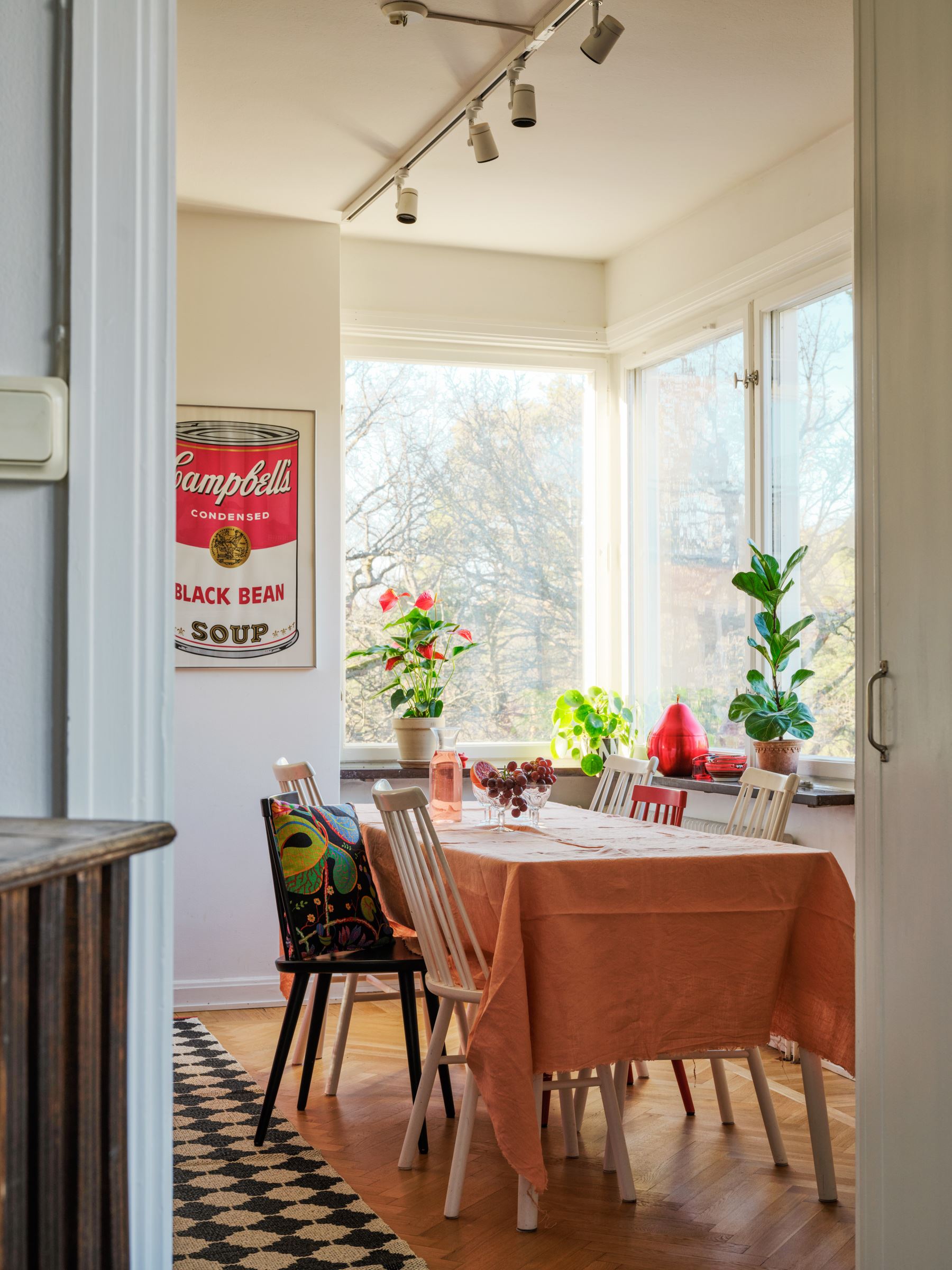
Vintage wooden chairs, Pinstolar
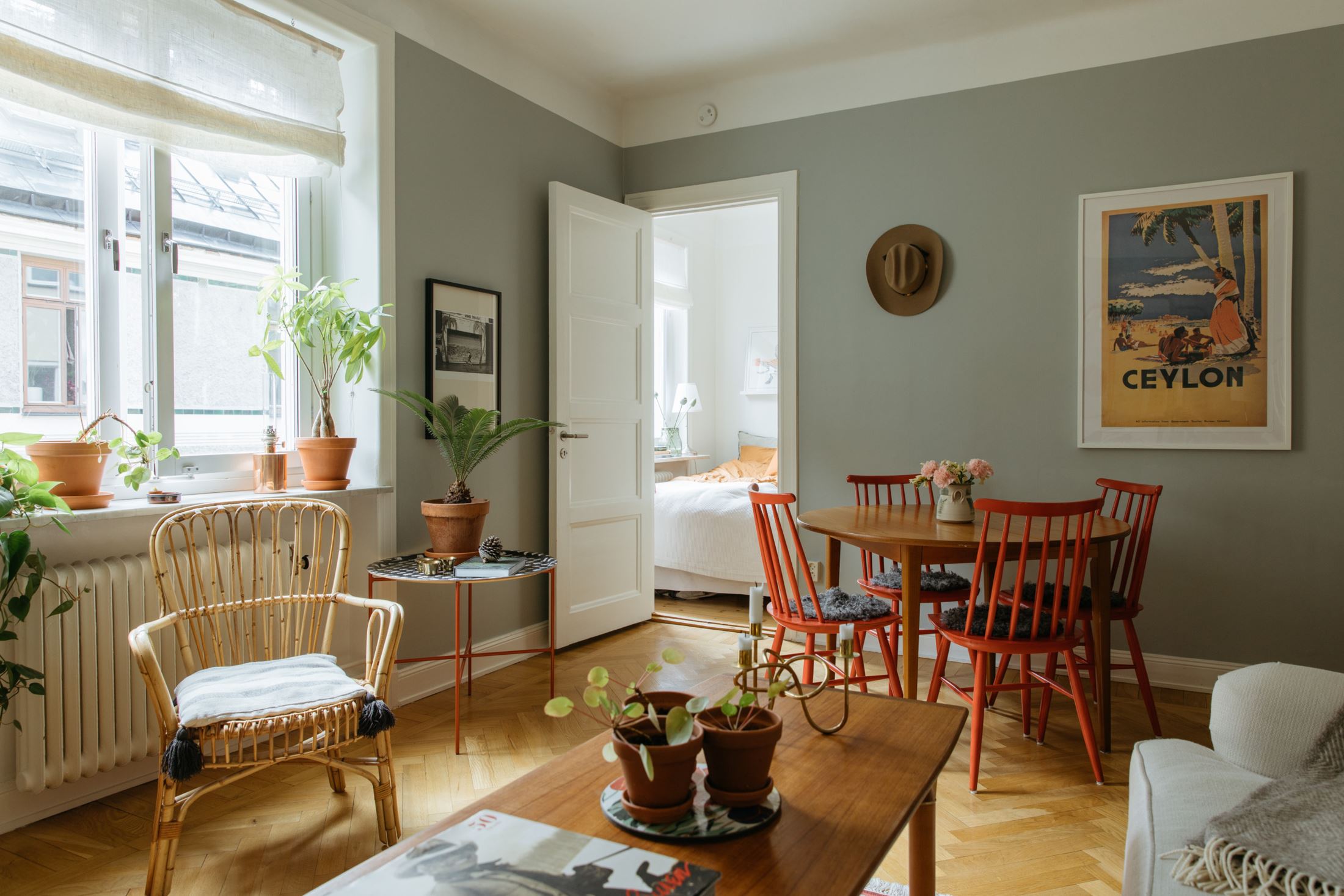
Back chairs, known as Pinstolar, represent a classic of Nordic design. Characterized by sleek backs and clean lines, these seats are a symbol of simplicity and elegance.
The Pinstol is derived from the famous British Windsor model, which, thanks to migration flows from the UK to the U.S. at the turn of the 1800s and 1900s, was also successful overseas.
Many Swedes, who had moved to the United States in the 19th century, fell in love with these models and brought them back to their homeland.
Thus, soon, the Pinstol model began to be widely produced in Scandinavia as well, until it became a symbol.
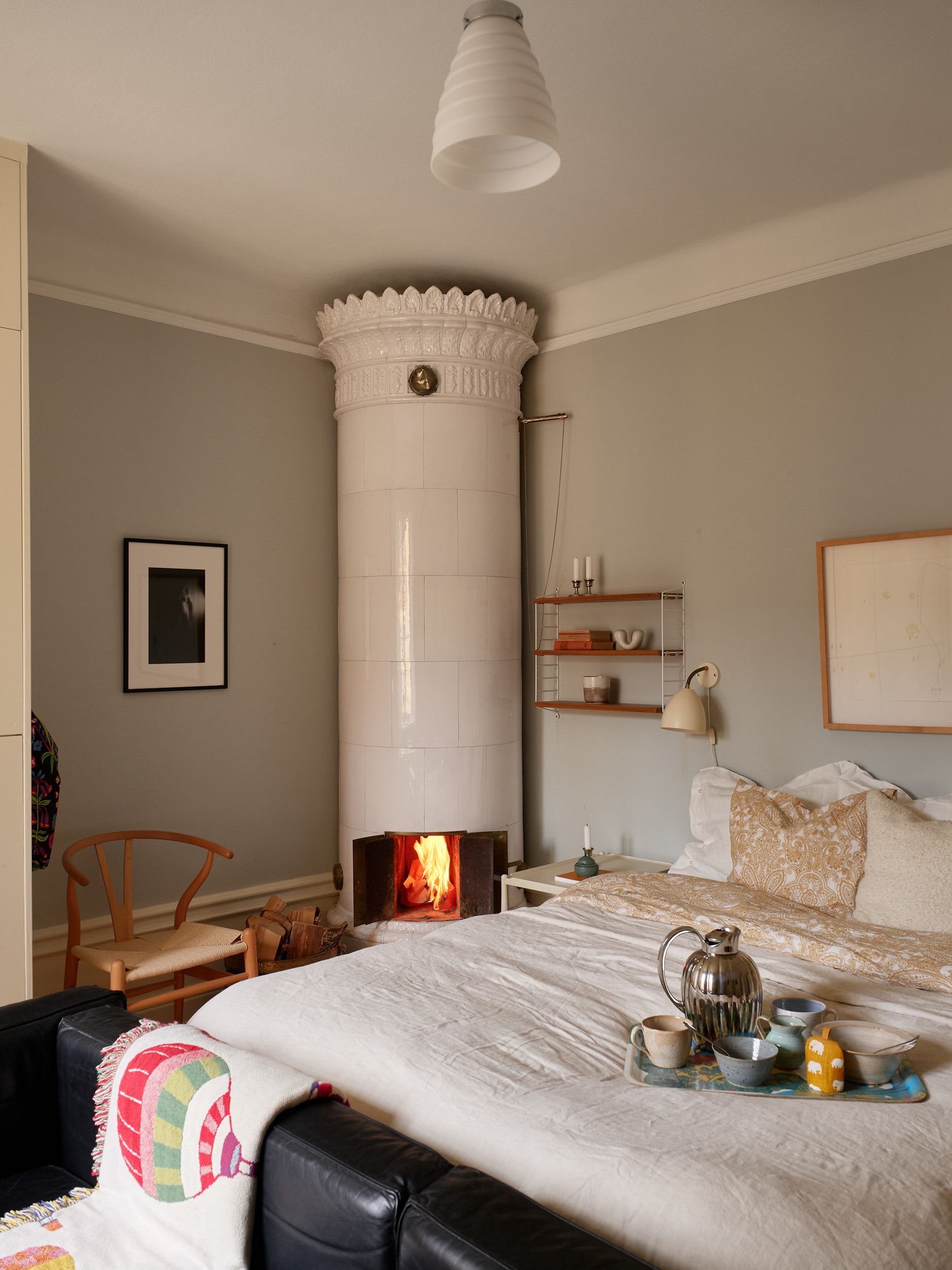
Wishbone Chair (CH24)
Created by Hans J. Wegner for Carl Hansen, it has been a legend of northern European design since 1949.
This masterpiece is admired for its lightweight silhouette and woven rope seat.
Wegner is said to have been inspired by a chair belonging to the Chinese Ming Dynasty period, which is also very similar to his China Chair (1944).
Alvar Aalto Chairs
Alvar Aalto’s chairs are renowned for their essentiality.
Characterized by flowing curves and clean lines, they represent the perfect marriage of form and function.
Alvar Aalto’s favorite material is the bent wood, particularly plywood.
The wood is almost always left natural, colored lacquer is used only sometimes (even partially), and the shapes are simple, delicate, and soft.
In any case, the “hand” of the artist is always very recognizable.
In some projects such as Model 45 or Model 611, the chairs are dressed in new materials, such as canvas and wicker.
Panton Chair
In the 1950s, Verner Panton advanced the bold proposal of a cantilever chair made of plastic.
After various vicissitudes and dozens of prototypes, the first pilot series started in 1967, discontinued a few years later due to some resistance problems.
Vitra, the only brave company to embrace the project (for the time so innovative it seemed crazy) resumed production in the early 1990s using rigid polyurethane.
This change in material also makes the chair more accessible, which promotes its dissemination on a large scale.
Too bad that after so much courage and commitment, the author could not reap the benefits of his idea’s success-Panton, after whom the chair is named, passed away in 1999.
Ariston Chairs by Augusto Bozzi
The chairs Ariston by Augusto Bozzi bring a touch of Italian flair to the world of Scandinavian design.
They stand out for their refined and sophisticated form and thelight aesthetics.
La contoured seat Is made of curved plywood. The frame is made of black painted metal. The Ariston chairs are the result of Bozzi’s collaboration with the company Saporiti.
Danish chairs with upholstered seats
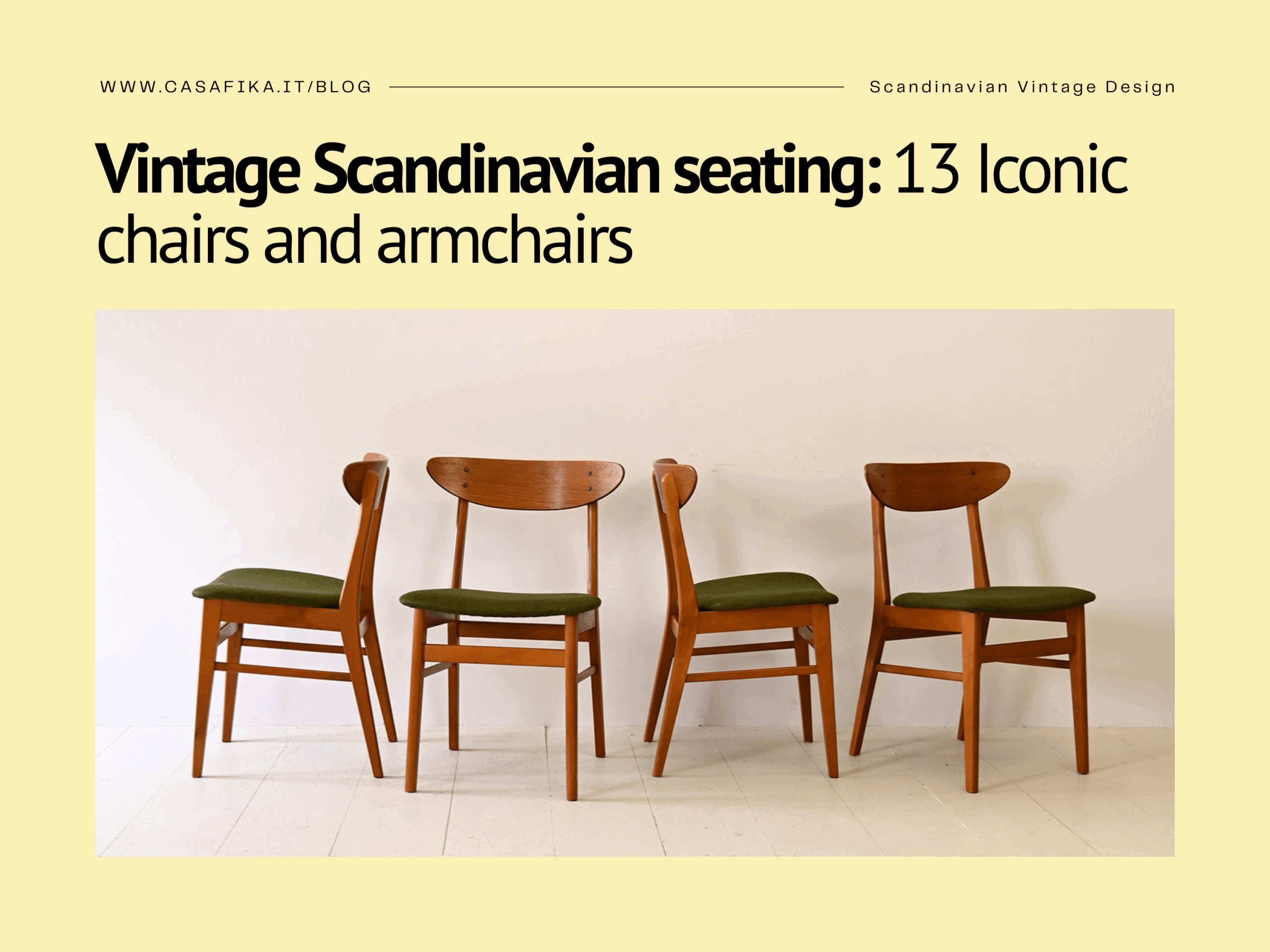
In Nordic design there is one seating pattern that we might call “recurring”: the Danish chair with the upholstered seat.
It shares, for example, the design of Hans Wegner’s CH30 and several models produced by the company Søborg Møbelfabrik at the turn of the 1950s and 1960s.
They offer a unique blend of comfort and style. With high-quality materials and refined design, they are perfect for adding warmth and vibes Mid Century Modern to interiors.
The most iconic vintage Scandinavian armchairs
Staying with the “seating” theme, we cannot fail to mention also some of the most famous Nordic armchairs, perfect to complete a living inspired by Scandinavian houses or to create a relaxing reading corner in the bedroom.
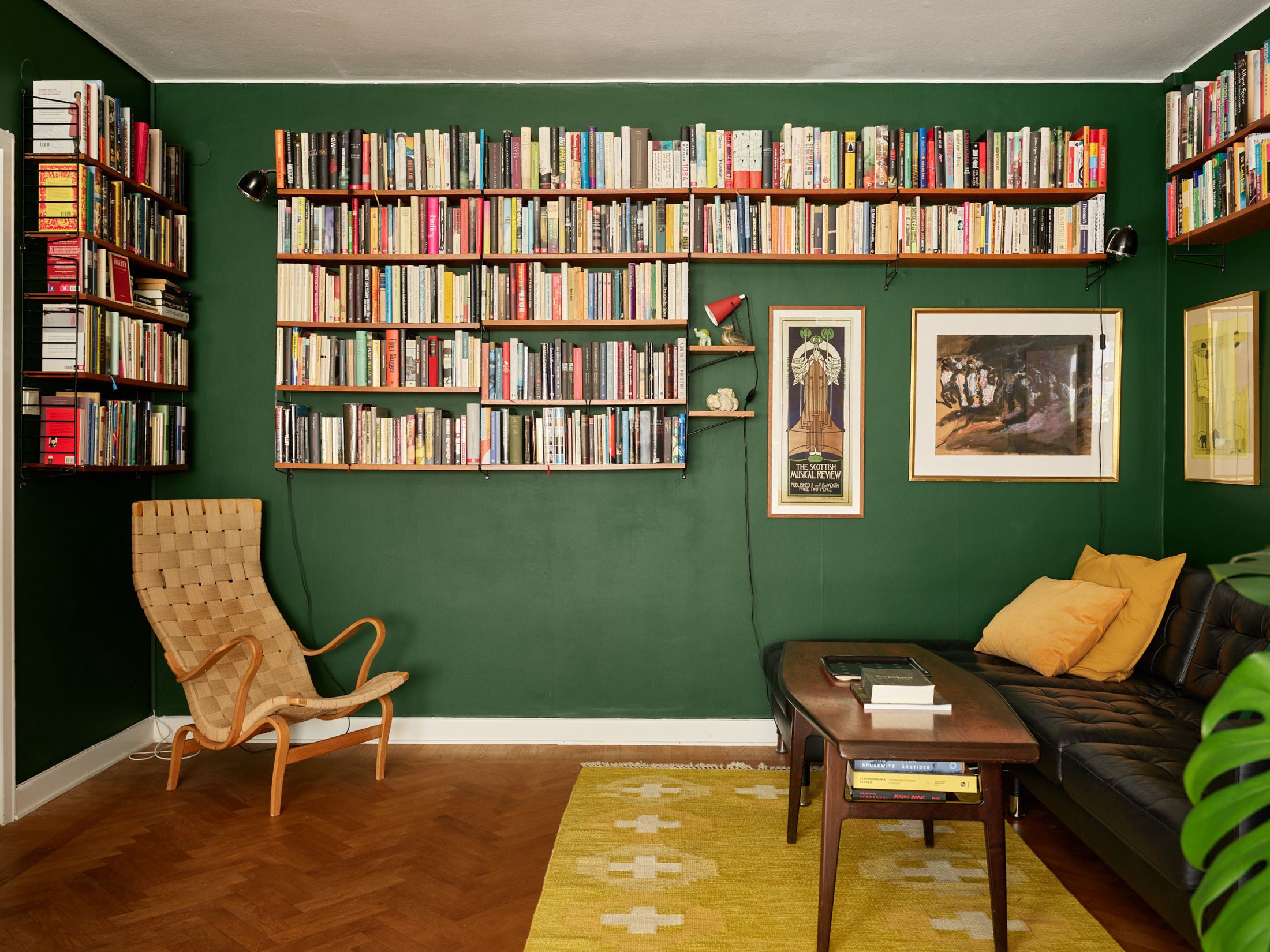
Pernilla Armchair
It stands out for its unmistakable design and unparalleled comfort.
The Pernilla Chair, is one of the design results of the ongoing research of Bruno Mathsson on ergonomics.
With the Pernilla armchair and its “sisters” (such as, for example, the Eva armchair), Mathsson espouses the use of bentwood and, as a child of the art, demonstrates his familiarity with craftsmanship by sporting ergonomic forms.
And speaking of ergonomics, the first Mathsson ergonomics tests were conducted on…piles of snow, on which the designer would sit, leaving the shape of his body.
CH25 Armchair by Hans J. Wegner for Carl Hansen
The CH25 armchair is a manifestation of the predilection for natural materials of Scandinavian design.
With its recognizable sloping back and quality oak wood, it is a timeless choice.
La CH25 Armchair, born from the mind of Hans J. Wegner in 1950, carries with it a revolutionary aura and a design that lends itself well to combination with different furnishings and styles (for example, it is perfect for the mood Japandi).
Seat and back are made of handcrafted woven rope-a job that takes no less than ten hours.
TeVe Armchairs
The TeVe armchairs are appreciated for their compact design and versatility of use.
Their origin marks the advent of a new era. They were designed in 1953 by Alf Svensson to be comfortable seats for watching TV. The latter would land in Swedish living rooms starting a few months later.
To this day, vintage TeVe chairs remain sought-after pieces appreciated by experts and amateurs alike.
Papa Bear Chair - Model CH78
Designed by Hans J. Wegner, conveys the same comfort as a teddy bear, after which it is named..
It has a cozy shape and comfortable wide armrests. The generous size envelops those seated in an embrace.
Quality materials make the difference in this plunge into relaxation: ihe seat cushion is made of foam, and the backrests and armrests are filled with natural fibers.
Arne Jacobsen Egg Chair
Created by. Arne Jacobsen in 1958 for the Royal Copenhagen hotel, as well as many design icons (including some Scandinavian lamps famous), this chair is a symbol of the golden age of Nordic design.
Arne Jacobsen’s Egg Chair is unmistakable: the oval, enveloping shape is mixed with the more traditional idea of the wingback chair in a combination of timeless modernity.
Where to buy original vintage Scandinavian chairs and armchairs
If you’re looking for authentic vintage Scandinavian chairs or armchairs to embellish your decor, look no further: you’re already on the Casafika website!
Explore our selection of original pieces from Northern Europe, to find the perfect Nordic chair for your space.