Japandi is a trend in interior design that has captured the attention of design lovers around the world. What exactly does this term mean and where to take inspiration to reproduce this fascinating mood?
Let’s explore together the details of this fusion of Japanese minimalism and Nordic design. In this article we guide you to discover some of the essentials to give your home a Japandi look.
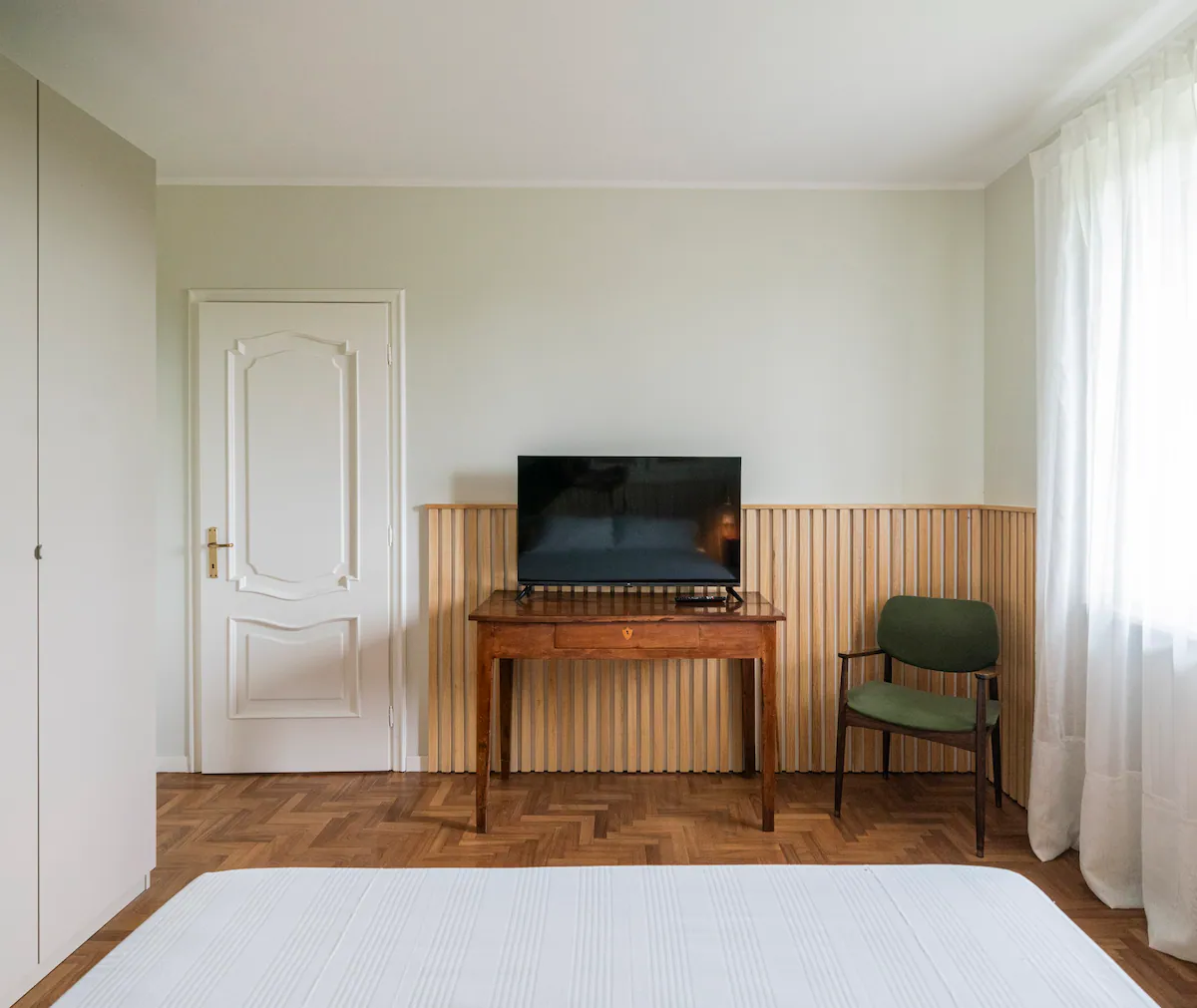
What is Japandi?
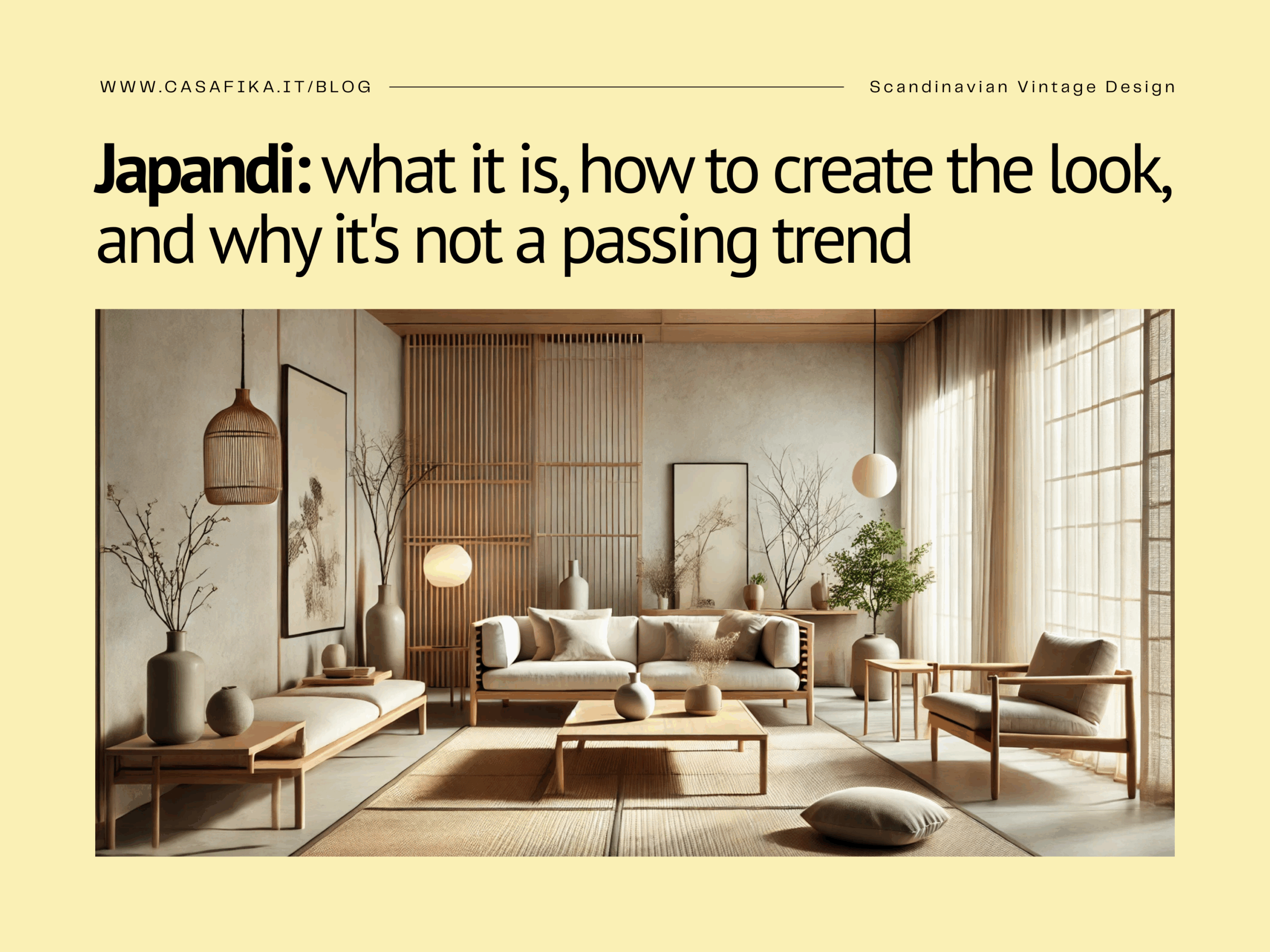
The Japandi style is a fascinating expression of minimalism and functionality which combines the elegance and simplicity of Japanese design with the charm and coziness of Nordic style. The name derives precisely from the combination of Japanese e Scandinavian.
There is no single creator or precise date associated with the formation of Japandi. This synergy between Japanese and Nordic aesthetics began to gain popularity in interior design circles toward the end of the first decade of the two thousandth century and has continued to grow ever since.
This fusion creates balanced and relaxing environments, characterized by clean lines, simple shapes and a neutral color palette with warm touches.
Although geographically far apart, Scandinavian and Japanese houses share several commonalities.
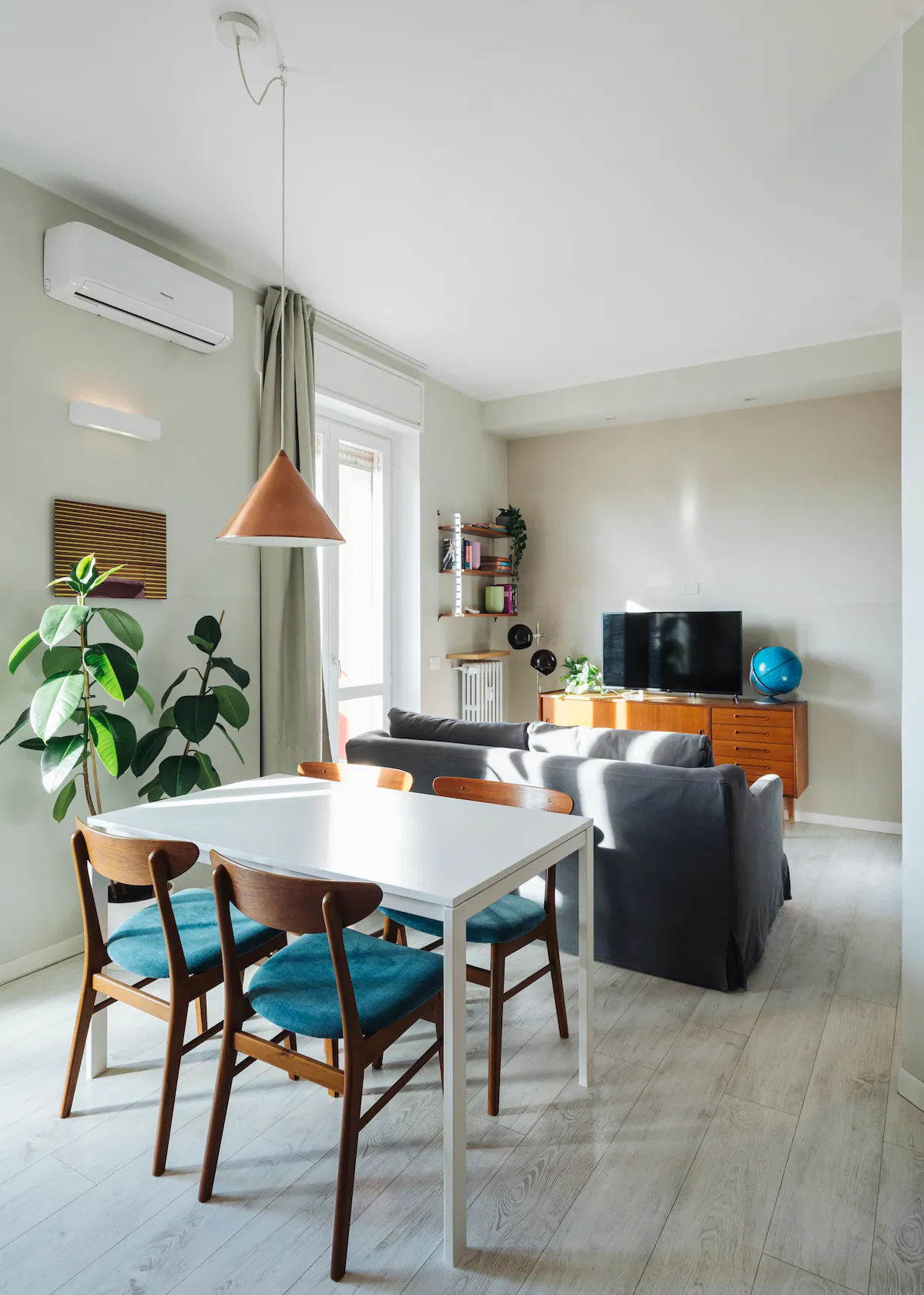
Japanese minimalism and the concept of negative space
Japanese minimalism is distinguished by its ability to to create uncluttered and uncluttered spaces, where each element has a precise meaning and function.
To best understand the Japanese vision in the field of furniture, it is important to know the concept of ma.
Ma, in Japanese, means space.
This concept radiates Japanese culture by influencing the fields of architecture and art. It manifests itself as a empty space that gives meaning and form to the entire environment.
Empty space is experienced, therefore, as tangible. Absence, contributes value and importance to objects.
In addition, Japanese furniture is inspired by the balance of nature. The goal is, in fact, to bring The harmony and serenity of outdoor environments within homes.
Scandinavian design and the Lagom philosophy
Nordic design is known for its functional and welcoming approach, which puts at the center the well-being of the inhabitants.
Scandinavian homes are marked by warm and comfortable atmospheres, perfect for spending rejuvenating moments of leisure together (Hygge).
The concept of balance is also present in Scandinavian interiors, into which the philosophy is poured Lagom.
Lagom means, literally, “not too much, not too little, just right.”.
It is an invitation to moderation and the pursuit of balance, which is the path to happiness.
From the perspective of interior design, this translates into adopting a sober and harmonious aesthetic (never excessive), creating a welcoming and functional environment, where each element is carefully chosen.
Points of contact between Japanese furniture and Scandinavian design
- Quality of materials. Both styles place great importance on the quality of materials used in furniture and decorative elements. Solid wood, such as teak and beech for the Scandinavian style and cedar wood for the Japanese style, are the most common choices.
- Natural raw materials. Both Scandinavian and Japanese designs favor the use of natural and durable materials that lend warmth and authenticity to rooms. In addition to wood, favorite materials include stone, cotton, and linen.
- Quest for balance. The rooms are designed to be balanced and harmonious, with special attention paid to the arrangement of furniture and the creation of open, bright and airy spaces. Both styles emphasize simplicity, symmetry, and clean lines.
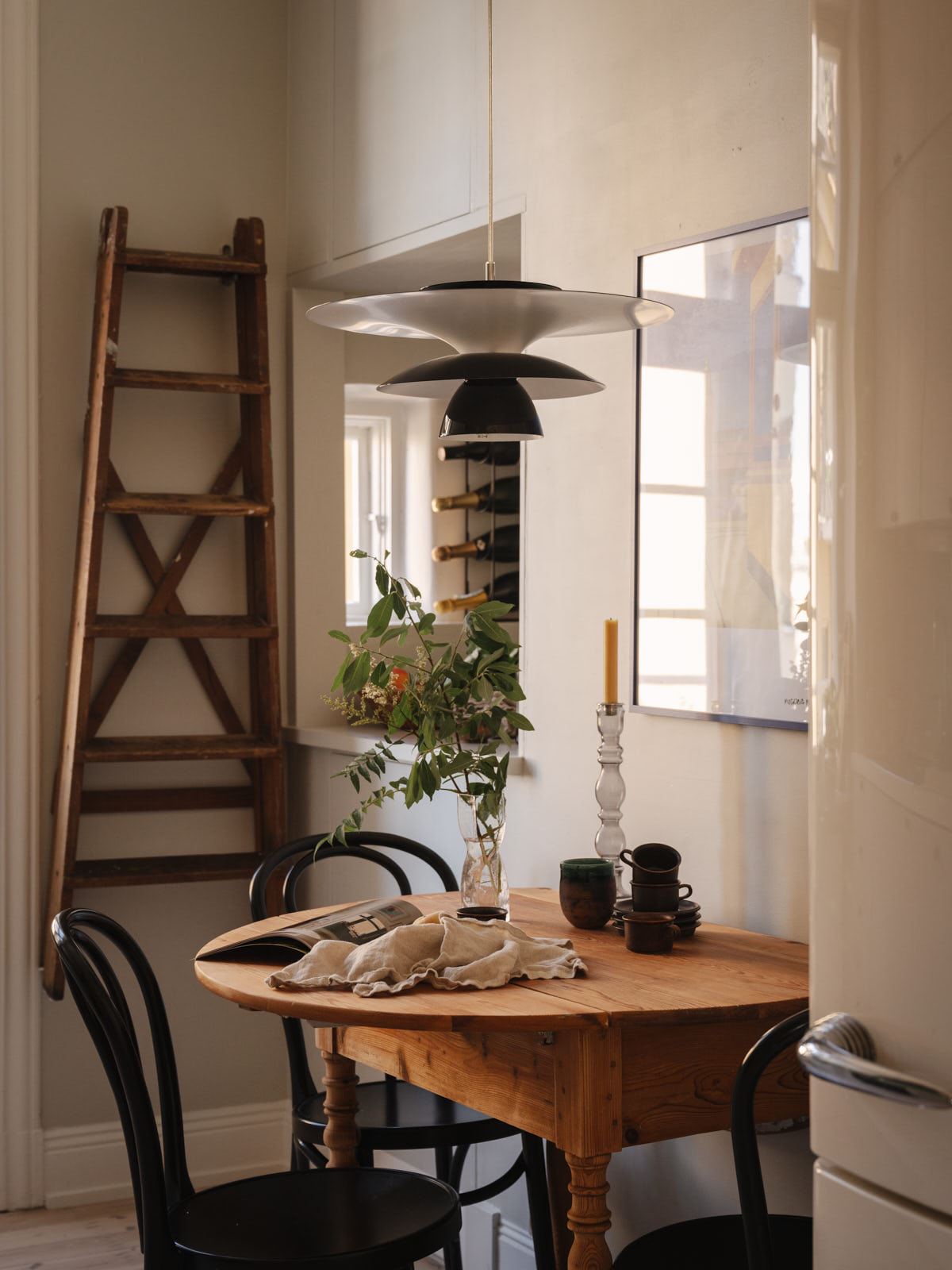
Mini guide to decorating a Japandi-style home
If you want to transform your home into a practical and fulfilling space, follow these simple tips to embrace the Japandi mood.
1. Japandi furniture
To identify the right furniture to place in your Japandi home, focus on essentiality of form and authentic materials. A prime example that embodies this description, for example, is the bench Visingsö designed by Carl Malmsten for Svensk Fur.
For all furniture, then, emphasizes quality rather than quantity.
Scandinavian vintage furniture is the perfect choice: the workmanship is often handcrafted and it is furniture designed to last.
One of the key elements of the Japandi style, as anticipated, is the use of wooden furniture, which is always left with the grain exposed. Opt for tables, chairs and shelves made of light woods, such as beech or ash, or warm woods, such as teak or rosewood.
To maintain a tidy appearance, there can be no shortage of spacious storage furniture, with simple design, such as, for example, Scandinavian sideboards and highboards.
2. Colors for a Japandi home.
The neutral color palette is perfect for the create a calm and natural mood.
White, beige, gray, greige and the soft, light colors go well with natural stone and light wood.
Usually, Japandi interiors are low-contrast, but the following are allowed touches of black and all earthy colors, in less saturated variations.
Also very popular are the dusty and rather dark greens and blues.
3. Create Zen spaces
Create Zen spaces and areas dedicated to relaxation, such as reading corners or meditation areas, where you can unplug and rejuvenate.
4. Natural fibers and textured fabrics
To complete the Japandi decor, don’t forget to add pillows, blankets and rugs in natural fabrics with a strong textural component, such as canvas, wool, jute and linen.
The natural fibers are also perfect on furniture details, such as stuffed seats or made of woven canvas.
Speaking of seating: here are some timeless vintage pieces that go well with the Japandi mood.
- Alvar Aalto’s “Model 45” Armchairs., essential, with canvas and wicker details;
- Pair of stools of Scandinavian manufacture Made of wood and gray long-haired fabric;
- Scandinavian vintage sofa upholstered in bouclé fabric.
5. Soft lighting
Lighting plays a key role in Japandi style. Choose pendant and table lamps with sculptural, organic lines that diffuse soft, soft light into rooms.
Le lamps with raw fabric lampshades or paper, are perfect for this style.
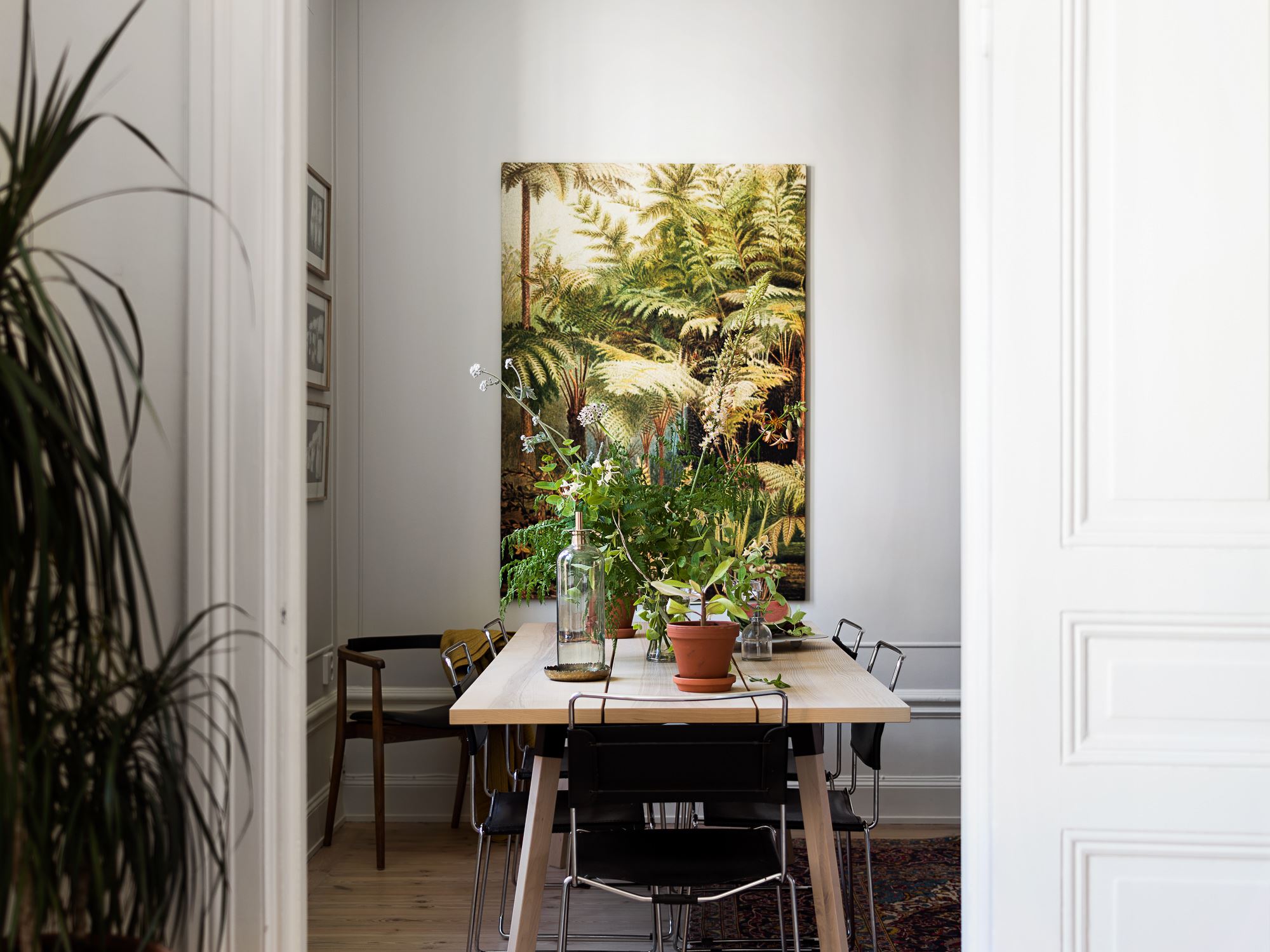
Why does Japandi like it so much?
What seemed to be a passing trend has, in fact, consolidated and turned into a full-fledged decorating style, which has entered the world of interior design on a permanent basis. How did Japandi become so successful?
- The winning concept of Less is More that distinguishes both Scandinavian and Japanese design, embodies essentiality, and simple things are known to be the most appreciated.
In addition, new generations are increasingly moving toward a more minimalist lifestyle that respects the environment and accommodates both compact dwellings and an increasingly nomadic lifestyle. - Japandi is the perfect mood for those seeking a nest of tranquility, harmony and peace, away from the stress of everyday life. The Japandi house is a serene place to rest, meditate, indulge in pleasant moments and reconnect with nature.
- Durable and easy to recreate. The Japandi look, as you may have noticed from our mini guide, is easy to create at home. All you need are natural and simple elements, soft and neutral colors, and durable, quality materials.
- It teaches us that beauty is in the little things. Among the key concepts of Japandi is the philosophy Wabi-Sabi which celebrates the beauty of imperfection, the ephemeral and the natural. It is about appreciating the beauty of simple, imperfect and transitory things, recognizing that time and use give them a unique value. Wabi-sabi manifests itself through simplicity, austerity and harmony with nature, inviting us to find beauty in everyday things and to accept change as the inevitable evolution of life. This philosophy, of Japanese origin, is also found in the Scandinavian lifestyle, which has a strong and spontaneous respect for objects, even when they show signs of time. Here’s why, every piece of furniture is always entitled to a second life. In the hundreds of Loppis (second hand markets) that take place every day in Northern European cities, objects pass from hand to hand, with their imperfections connecting new stories, and, therefore, more value, to the “things.”
Now that you know all about Japandi, go check out the Scandinavian vintage furniture we regularly select for you, right in Northern Europe.
We’re sure you’ll find the perfect furniture to recreate the Japandi look in your home.