The Scandinavian sideboard is the ultimate Nordic furniture. It combines timeless elegance, storage and functionality.
This iconic piece is one of the most coveted pieces of modern antiques and a symbol of thefurniture Mid Century Modern.
But what makes the sideboard so special and what is its fascinating history?
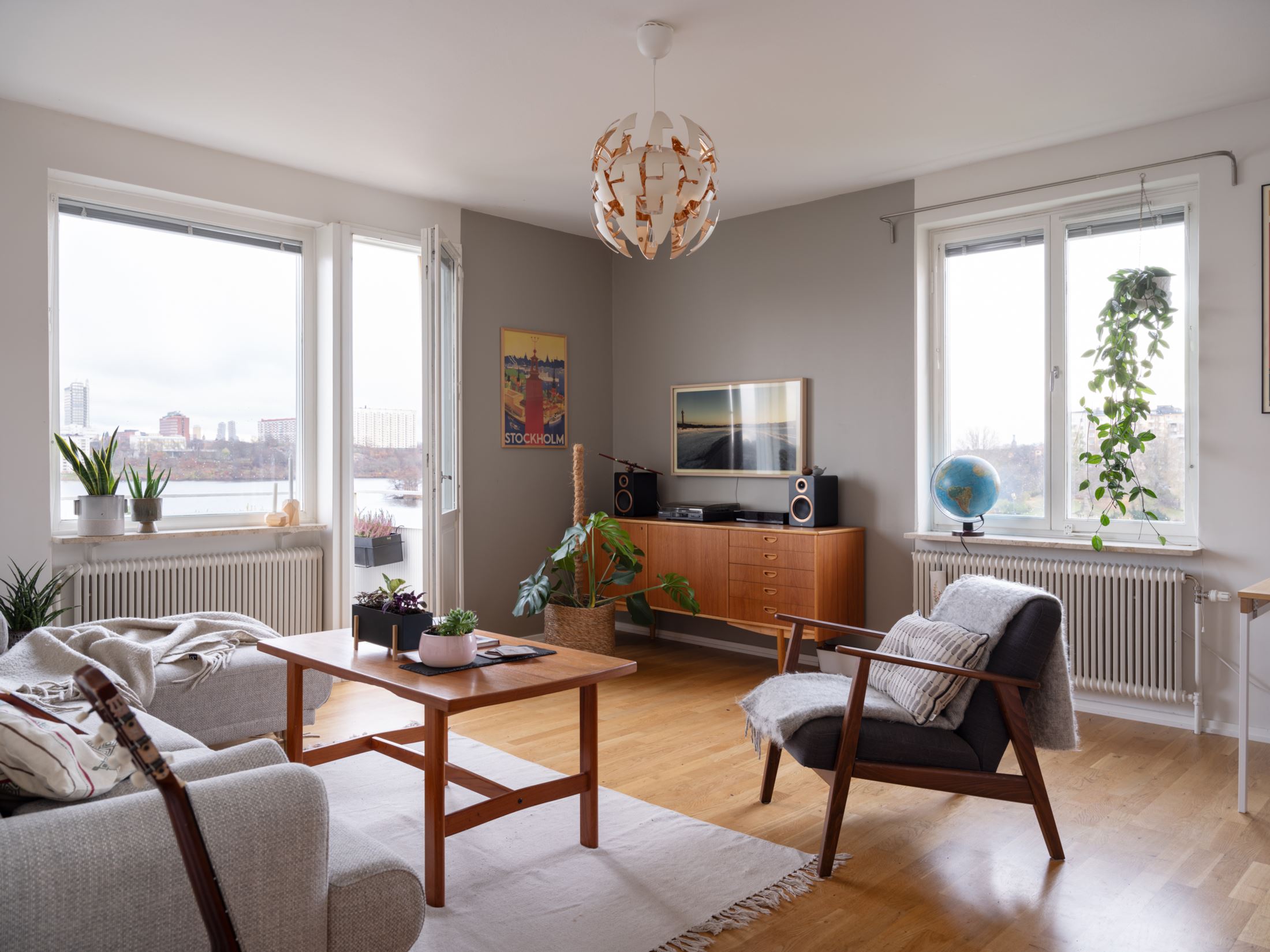
What is it and what does sideboard mean?
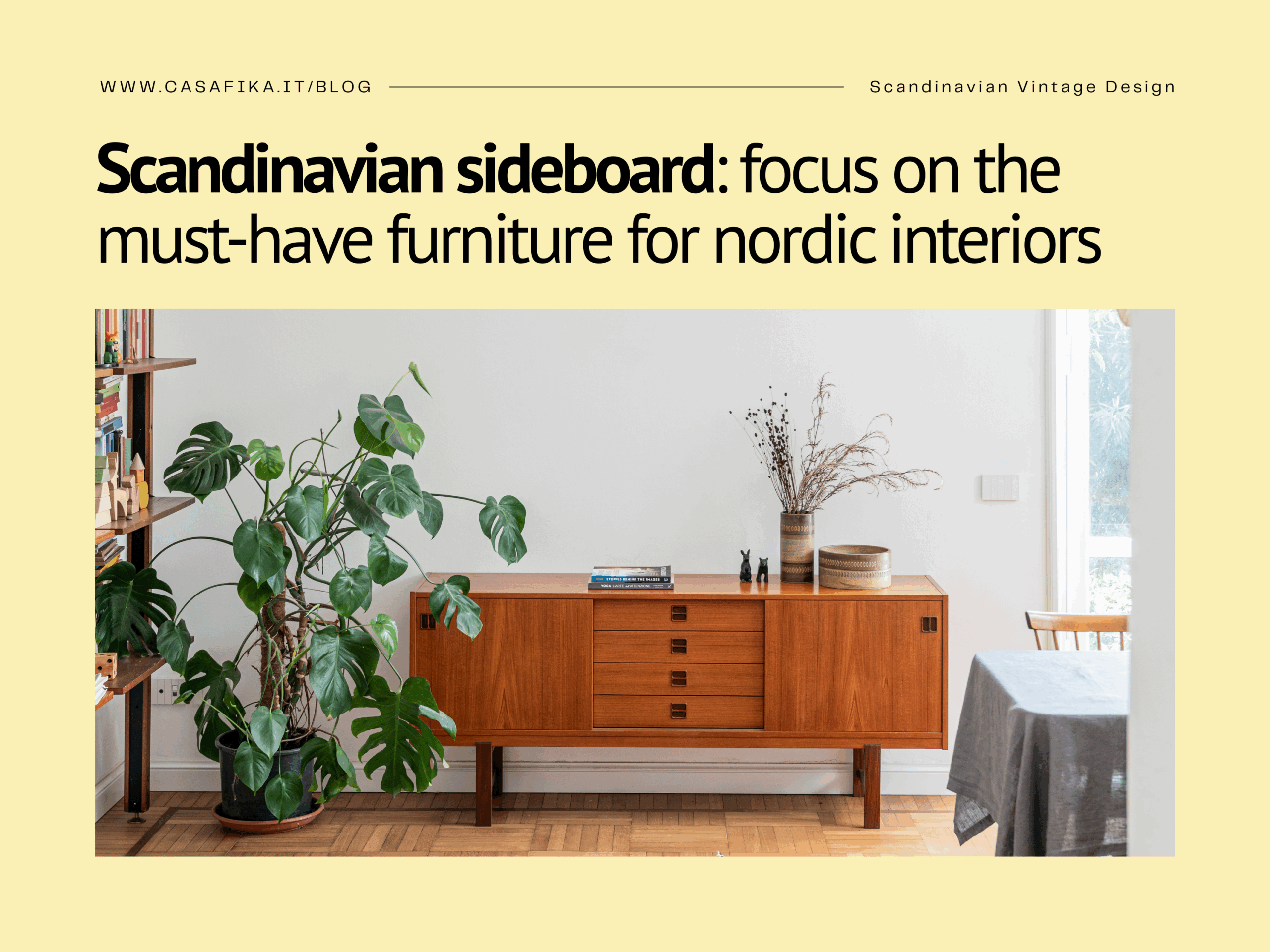
A sideboard is a low, long piece of furniture with short legs and storage space, bordered by drawers, shelves and sometimes of doors, sliding or hinged.
The term “sideboard” is derived from the Old English sīd, meaning “side,” and bord, meaning “table.”
A dive into the history of the sideboard
Before sideboards, an auxiliary table was often used next to the dining table to rest trays with food to be served.
In the late 18th century, the auxiliary table was replaced by an actual storage cabinet.
It is said that Robert Adam, a Scottish architect, was the first to introduce the idea of using large wooden urns on a pedestal at the end of a table, later replaced by cabinets or drawers.
Since the 19th century, sideboards have become part of the dining sets, and sold in pairs with tables and chairs.
Over the centuries, sideboard design has evolved to adapt to the needs and tastes of different eras and stylistic currents.
Even theadvent of the television set has helped to transform the appearance of the sideboard, making it lower.
To date, we can make a distinction between sideboard and buffet cabinet.
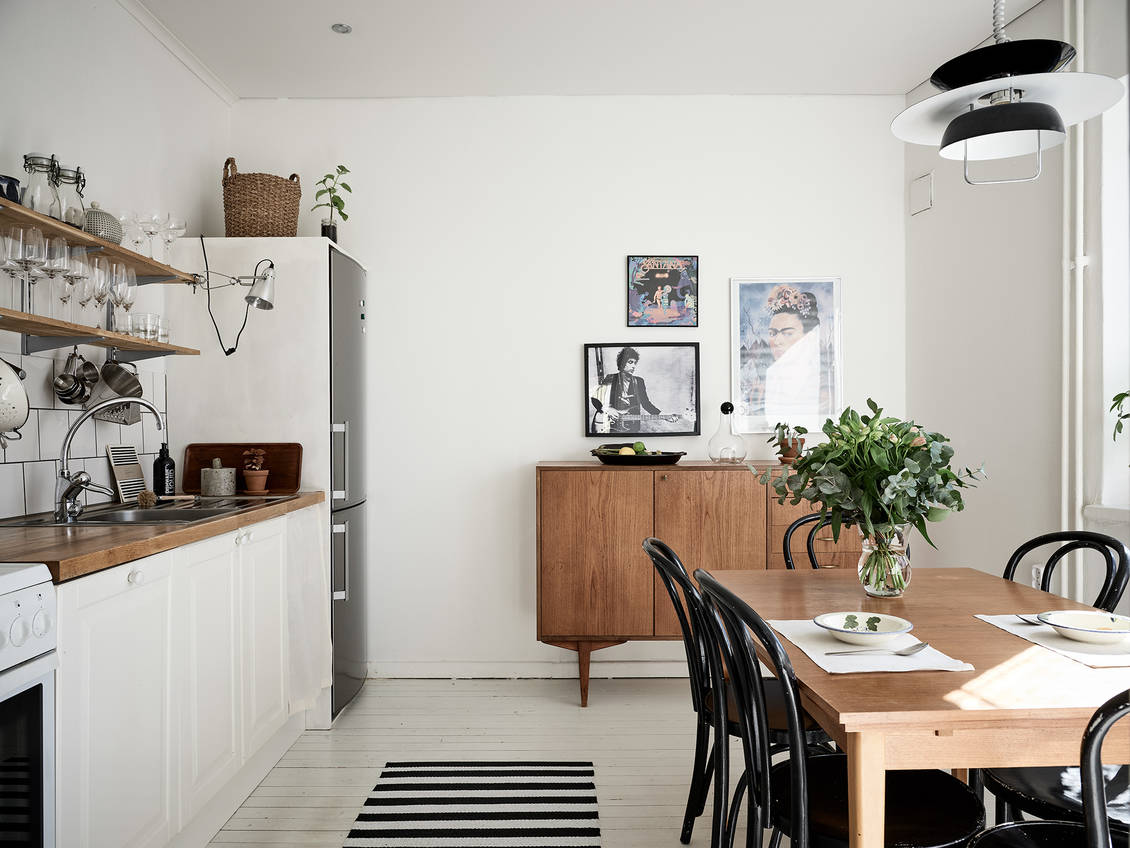
What is the difference between buffet, sideboard, highboard and sideboard?
The terms “buffet,” “sideboard,” and “sideboard” are often used interchangeably. In reality, there are distinctions: they are not all the same.
Buffet
The term “buffet” originally referred to the cabinet used to serve food at banquets and receptions.
Buffet cabinets offer more space horizontally than vertically. They often have medium-long legs.
They can be very similar to a sideboard, but, just so that serving from a standing position is convenient, they usually are talleri (about ninety centimeters).
In addition, a buffet cabinet does not necessarily have legs.
Sideboard
The sideboard, as mentioned earlier, is characterized by a long and low shape, with drawers, shelves and/or doors for storing dishes or other items.
The hallmark of the sideboard, is that this one has short feet.
Higboard
A highboard is the tall version of the sideboard. Compared with the sideboard, the storage space extends more vertically.
Usually equipped with doors and drawers, the highboard provides storage space for a variety of items, such as dishes, kitchen utensils, textiles, or other household items.
Its vertical design makes it ideal for rooms where width space is limited, while still allowing full use of available vertical space.
Sideboard
The term sideboard, on the other hand, refers to a category of many different pieces of furniture.
It can denote both furnishings such as sideboards and highboards, as well as two-door cabinets with feet. In addition. the word sideboard, can also refer to furniture with display cabinets of different kinds.
Although these types of furniture share the purpose of providing storage and service space, differences in their design and use can influence the ideal choice for a specific home environment.
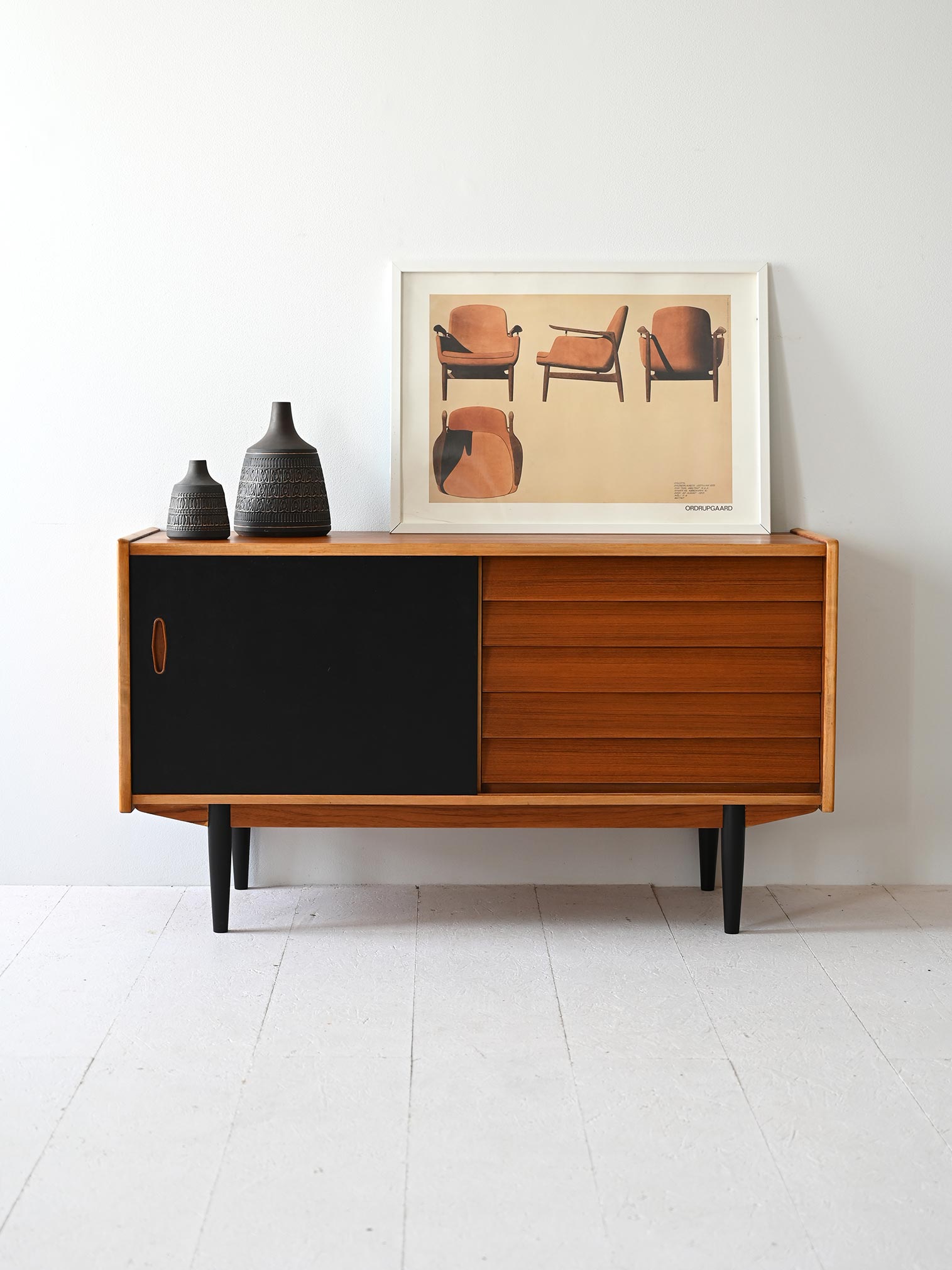
The Scandinavian sideboard boom: innovation and functionality
It was in the 20th century, with the rise of Nordic design, that the sideboard experienced its golden age.
From the 1940s, to the 1970s, Scandinavian designers such as. Nils Jonsson, Bruno Mathsson, Gunni Omann, George Nelson, Hans Wegner and Robert Heritage, have created some of the world’s most iconic and desired sideboards, combining practicality, essentiality and natural materials.
Made during a revolution in furniture design, Northern European sideboards were, therefore, both aesthetically pleasing and highly functional.
The craftsmanship and quality of materials, combined with these features, have made vintage Nordic sideboards furniture capable of acquiring more and more value over time..
Evolution of sideboards in the golden age of Scandinavian design
In the 1940s, sideboards were characterized by clean lines and organic shapes, with an emphasis on functionality and ergonomics.
In the 1950s and 1960s, the design evolved toward more minimalist and geometric lines, with greater use of fine woods and subtle details.
In the 1970s, the design was often enriched with patterns and bright colors, reflecting the spirit of the era.
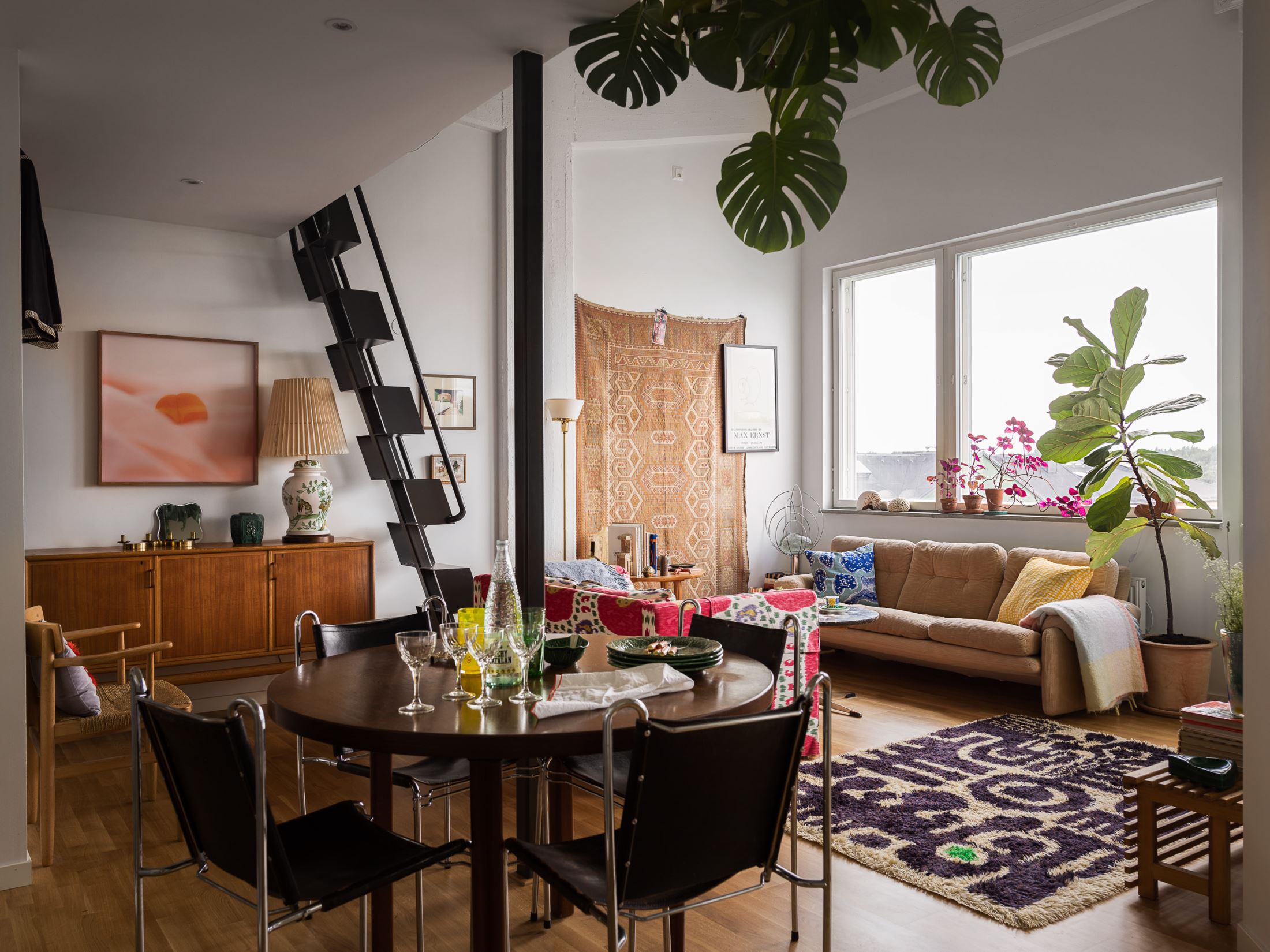
The materials and distinctive features of vintage Scandinavian sideboards
One of the hallmarks of Nordic sideboards is the use of high-quality natural materials. Wood of teak, rosewood, oak e oak are among the most popular. They give these furnishings a warm elegance and timeless look.
L’attention to details, such as handles, the shape of the feet, and sometimes brass details and embossed finishes, are features that highlight the good workmanship and craftsmanship of Nordic sideboards.
Nils Jonsson and his unparalleled contribution to sideboard design
Among the celebrated Scandinavian designers who have left an indelible mark on the history of the sideboard is Nils Jonsson.
With his innovative creations, Jonsson helped generate the concept of the modern sideboard. The models designed by Jonsson are indeed many and all different from each other, while having in common clean lines, geometric shapes and high-quality wood essences.
Jonsson’s signature sideboards are true works of art, still highly coveted by collectors.
His most famous pieces bear the label of Troeds. Nils Jonsson’s vintage sideboard designs are often named after European capitals, such as Trent, Lyon, Lugano and Cannes.
Where to place a sideboard in your home? You are spoiled for choice
The sideboard is one of the most versatile pieces of furniture in existence and can be used in literally any room in the house.
- At theentrance, can accommodate keys, bags and other essentials.
- In the kitchens more spacious and in the dining room, can accommodate crockery, cutlery and tablecloths.
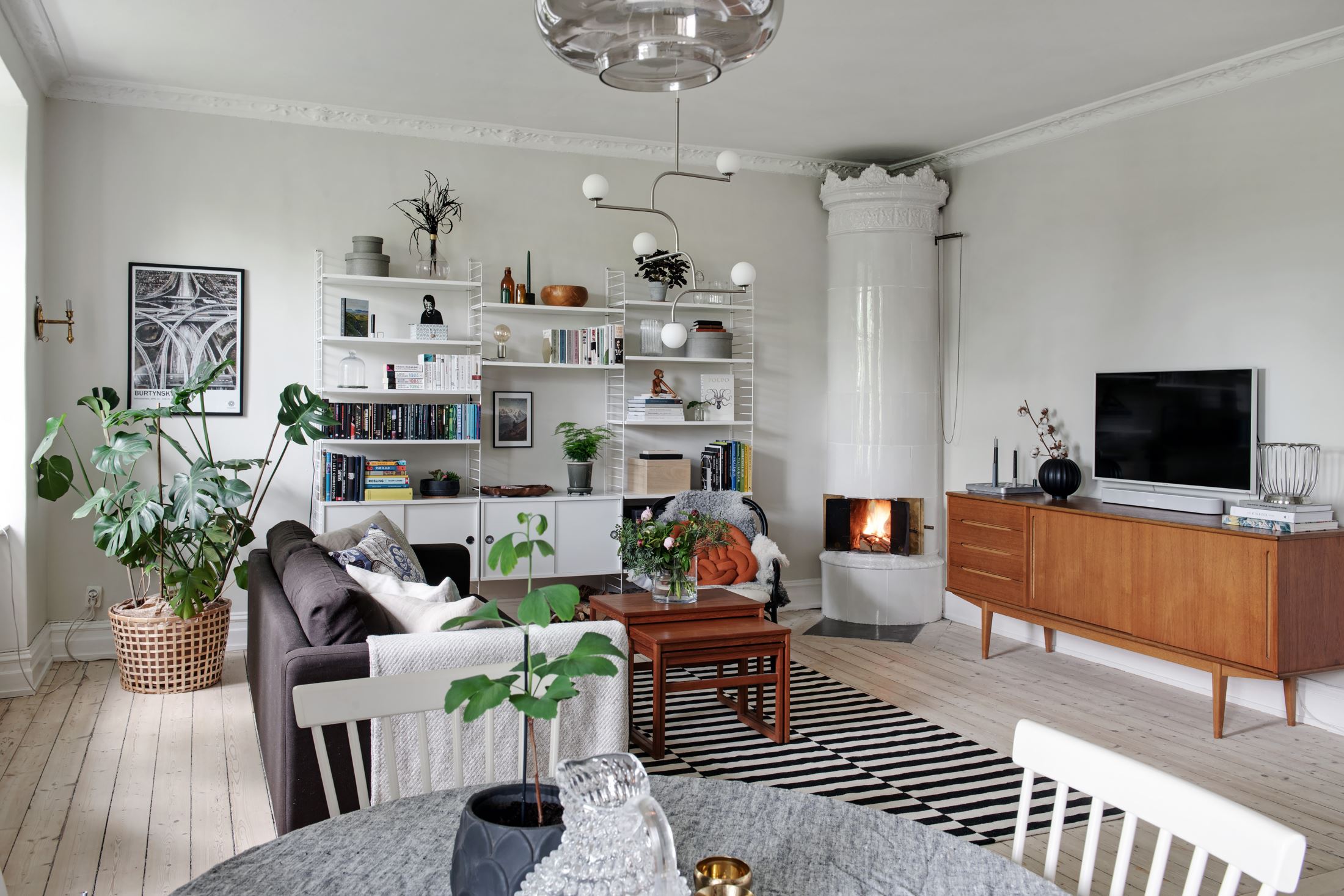
- In the living, as a TV cabinet, it can hide electronic devices and wiring.
- In bedroom, it can be used instead of a dresser.
- Even, in the bathroom, it can serve as a sink cabinet, adding a touch of elegance and functionality.
Modernist sideboard: how to recognize a quality piece
To recognize a quality sideboard, it is important to pay attention to the construction details and materials used.
Checking the strength of the structure, the quality of the wood, and the craftsmanship of the finish can help you know if you are looking at an authentic and durable piece.
In addition, observing the overall design and style can provide clues as to the origin of the sideboard.
If you want to play it safe and take home a high-quality vintage sideboard, read the next paragraph.
Where to find the best vintage Nordic sideboards?
If you are looking for authentic vintage Scandinavian sideboards to enhance your decor, Casafika is your ideal destination.
We personally make a ‘careful selection of rare and authentic pieces from Northern Europe.
These are vintage items, often signed by artists who have made Scandinavian design history.
Be inspired by the timeless beauty of the vintage Scandinavian sideboards.