We live in a time when the environmental impact of our daily choices is increasingly evident.
Furniture is no exception: the “fast furniture” phenomenon leads us to consume furniture as if it were seasonal fashion items, forgetting that every purchase has a cost to the planet.
There is a sustainable and charming alternative: vintage furniture. Vintage not only reduces waste, but also retains its value over time due to the handcrafted quality of old-time pieces.
The ecological footprint of the furniture industry
Every year, the world produces millions of tons of furniture, which has a considerable impact on the environment. The industry uses huge amounts of natural resources, such as wood, metals, plastics and textiles, many of which come from non-renewable sources or from unsustainable practices.
Furniture production involves the emission of greenhouse gases, the consumption of water and energy, and the use of chemicals, such as paints and adhesives, that can be harmful to health and the environment. These processes contribute significantly to the air pollution and to deforestation.
Fast Furniture and passing fads
The fast furniture is a phenomenon that leads to producing cheap and short-lived furniture, similar to fast fashion.
This furniture is designed to last a short time and is quickly replaced, turning into waste that contributes to environmental pollution. Passing fads in furniture encourage people to buy items that lose value and charm in a short time, with no authenticity or historical significance.
Extending the life cycle of furniture
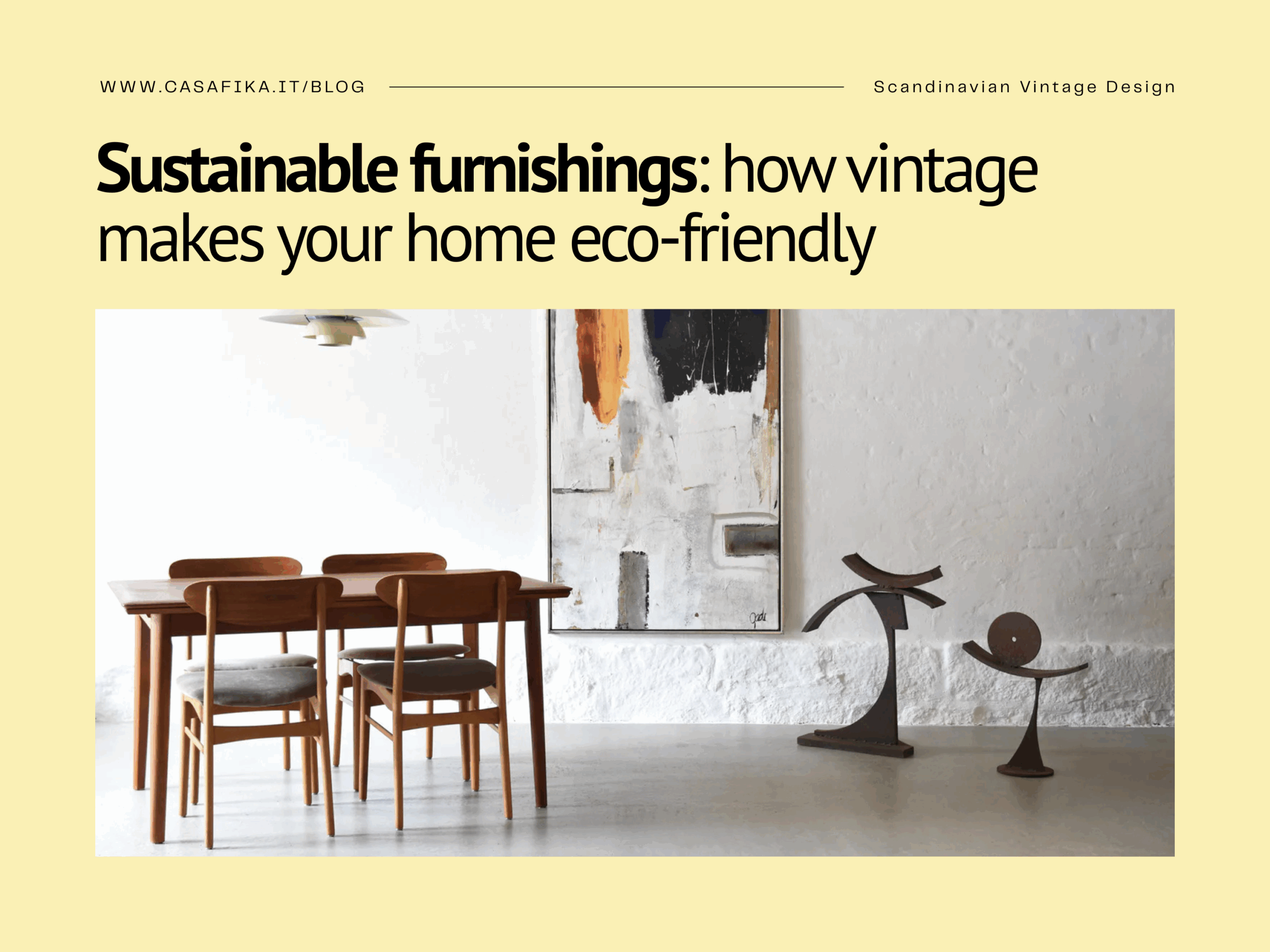
The reuse of vintage furniture also allows people to appreciate the handcrafted quality of pieces from days gone by. These pieces of furniture, often made using traditional techniques and high-quality materials, are now Precious treasures to be preserved and handed down.
These pieces can be repaired and restored dozens and dozens of times and always return in excellent condition.
Their appeal is not only limited to solidity and durability, but also includes the historical and cultural value that each item carries.
Scandinavian design and respect for the land
Scandinavian design has historically been linked to respect for the land and responsible use of natural resources.
The history of Scandinavian design bears witness to the fact that countries such as Sweden, Norway and Denmark have always valued wood as the main material, promoting sustainable forest management practices.
L‘s focus on sustainability is an integral part of Scandinavian culture., which has profoundly influenced the way we design and experience domestic spaces.
What it feels like in an eco-friendly home
An eco-friendly home helps to reduce the environmental impact and, thus, also improves our psychological and physical well-being.
Living in a sustainable environment makes us feel more connected to nature e more responsible for our actions.
Vintage furniture, with its quality craftsmanship and enduring value, allows us to create welcoming and harmonious spaces, full of character and uniqueness.
Where to buy sustainable furniture
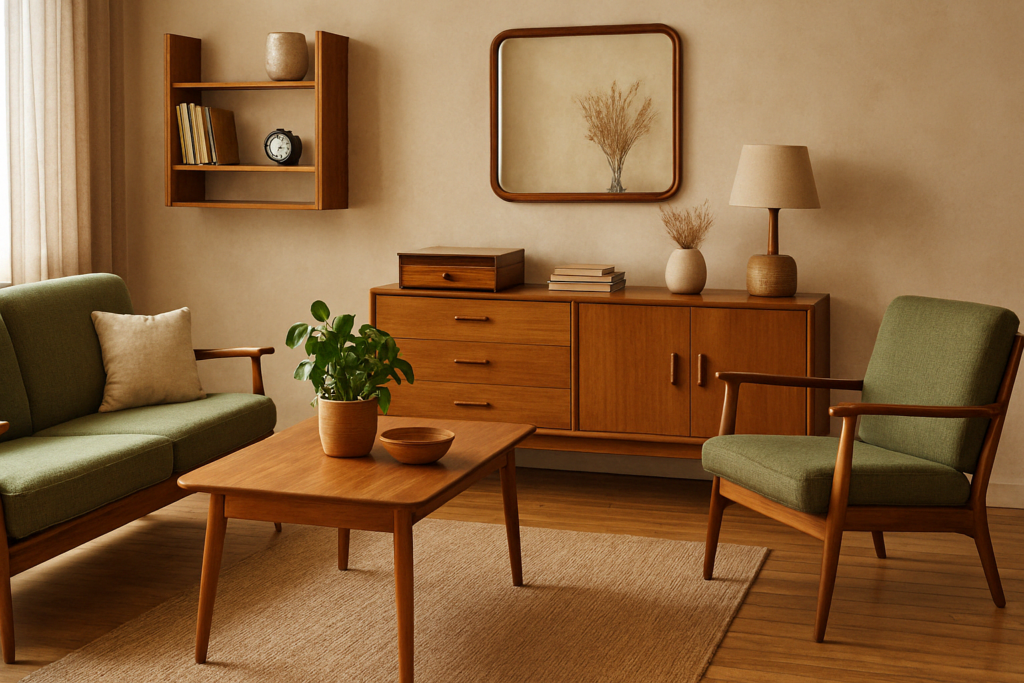
The Scandinavian vintage furniture, in particular, are an excellent choice for those who want an eco-friendly environment without sacrificing style.
Furniture made from high-quality materials, often handcrafted, are not only durable but also steeped in history and meaning.
Opting for vintage pieces means lengthening the life cycle of furniture, thus reducing the demand for production of new furniture and the resulting environmental impact.
These pieces, which recall a understated yet elegant design, are easy to integrate into different types of environments and bring with them a timeless charm and a connection to the past.