Restoration is a crucial step in preparing vintage Scandinavian furniture that we personally select in Northern Europe.
When these vintage wonders arrive in Italy, we at Casafika take care of them with “wellness” treatments.
This is the only way we can prolong even more the life of these pieces of history, already designed to be durable, both aesthetically and in terms of sturdiness.
Like any object, furniture suffers the wear and tear of time and use.
We tell you, step by step, how we care for vintage Nordic furniture before photographing it and making it available to you on Casafika.
Two approaches to restoration
There are two different approaches to restoration: conservative and integrative.
Here are the main differences between the two.
1) Conservation Restoration
- Conservation restoration aims to Preserve as many of the original elements of the furniture as possible. The goal is to. Consolidate and repair damaged parts without significantly altering the original appearance or structure.
- Interventions focus mainly on consolidating existing parts of the furniture, such as repairing scratches, cleavages, or other surface imperfections. The idea is to To keep the history and authenticity of the piece intact..
- The approach is respectful of the history and integrity of the furniture. We try to minimize structural changes and use materials and techniques compatible with the period and style of the piece.
2) Integrative restoration
- Integrative restoration involves the replacement or reconstruction of missing or damaged parts of the furniture. The objective is to restore the furniture to its original condition, even if this requires the creation of new parts.
- This type of restoration often involves the making missing parts using techniques and materials similar to those of the original.
New parts can be created or damaged parts can be reintegrated in order to restore the functionality and aesthetics of the furniture. - It is an approach more interventionist than conservative restoration.
The main objective is to return the furniture to its original condition, even if that means making significant changes to the structure or appearance.
Both approaches have their value and are chosen according to the specific needs of the piece and the preferences of the owner or restorer.
Furniture history matters more than small imperfections
Usually, we at CASAFIKA, we are dedicated to conservation restoration. We care about preserving the history of the pieces .
On the needle of the scale, history carries more weight for us than perfection.
The intent of our restorations is not to make the furniture look new, but to ensure its efficiency and durability.
The signs of time, which might seem like small cracks in the fabric of perfection, are actually, details that make your furniture unique, fascinating and steeped in history.
Each sign tells a story and bears witness to the life of the furniture over the years.
Therefore, during the restoration process, it is crucial to Maintaining a delicate balance: preserving the authenticity of the piece and at the same time restoring its original beauty. Because in the end, it is this combination of history and authenticity that makes vintage furniture truly special and desirable in the eyes of those who love vintage furniture.
Discover the secrets of restoration with CASAFIKA
Restoration operations are divided into several steps: each of fundamental importance to the success of the process.
Another important thing: carry out these steps in this precise order:
1) Deep cleaning for gleaming furniture
In our mission to bring vintage furniture back to life, cleaning is the first step.
On furniture that is already in good condition, a thorough cleaning can sometimes be the only step necessary to return the furniture to its former glory.
We use specific detergents to remove surface dirt and we also thoroughly clean the inside of furniture, handles and tricky joints.
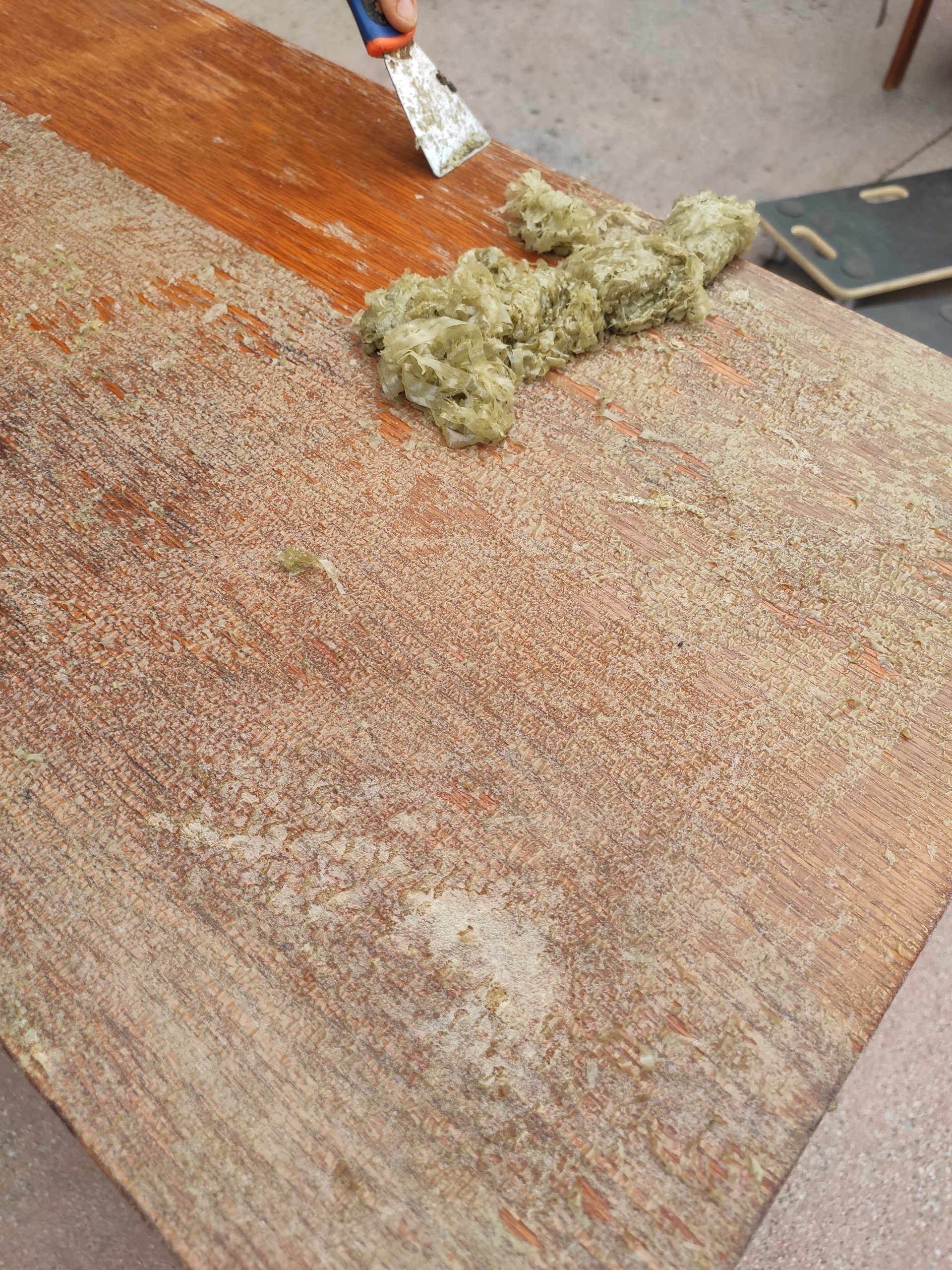
When furniture needs a good dose of love to become as charming as it once was, we use paint strippers and sanders to remove old paint and erase scratches and imperfections.
2) Masterful polishing according to the history of the furniture
After cleaning, it is time for the finishing touches.
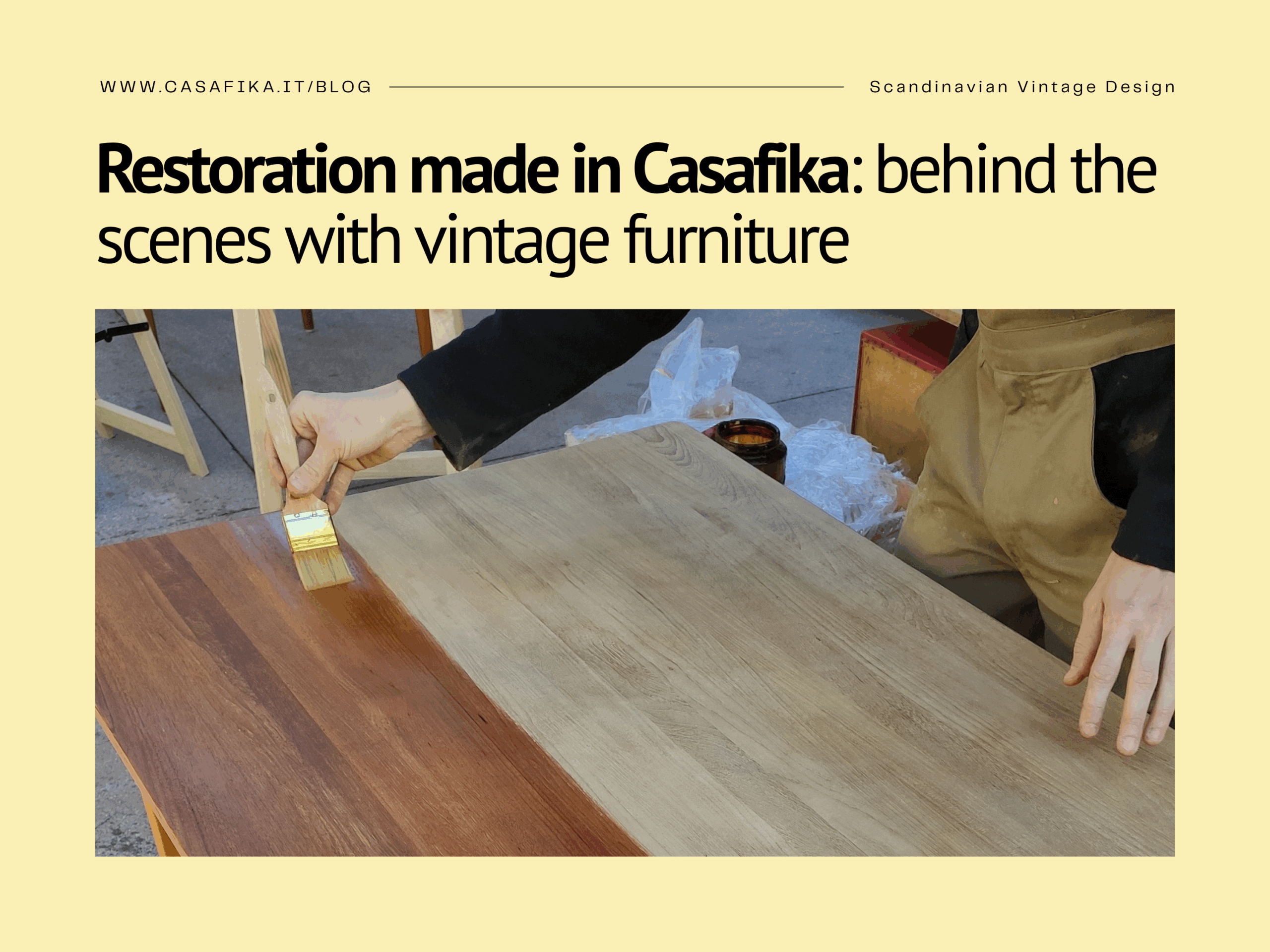
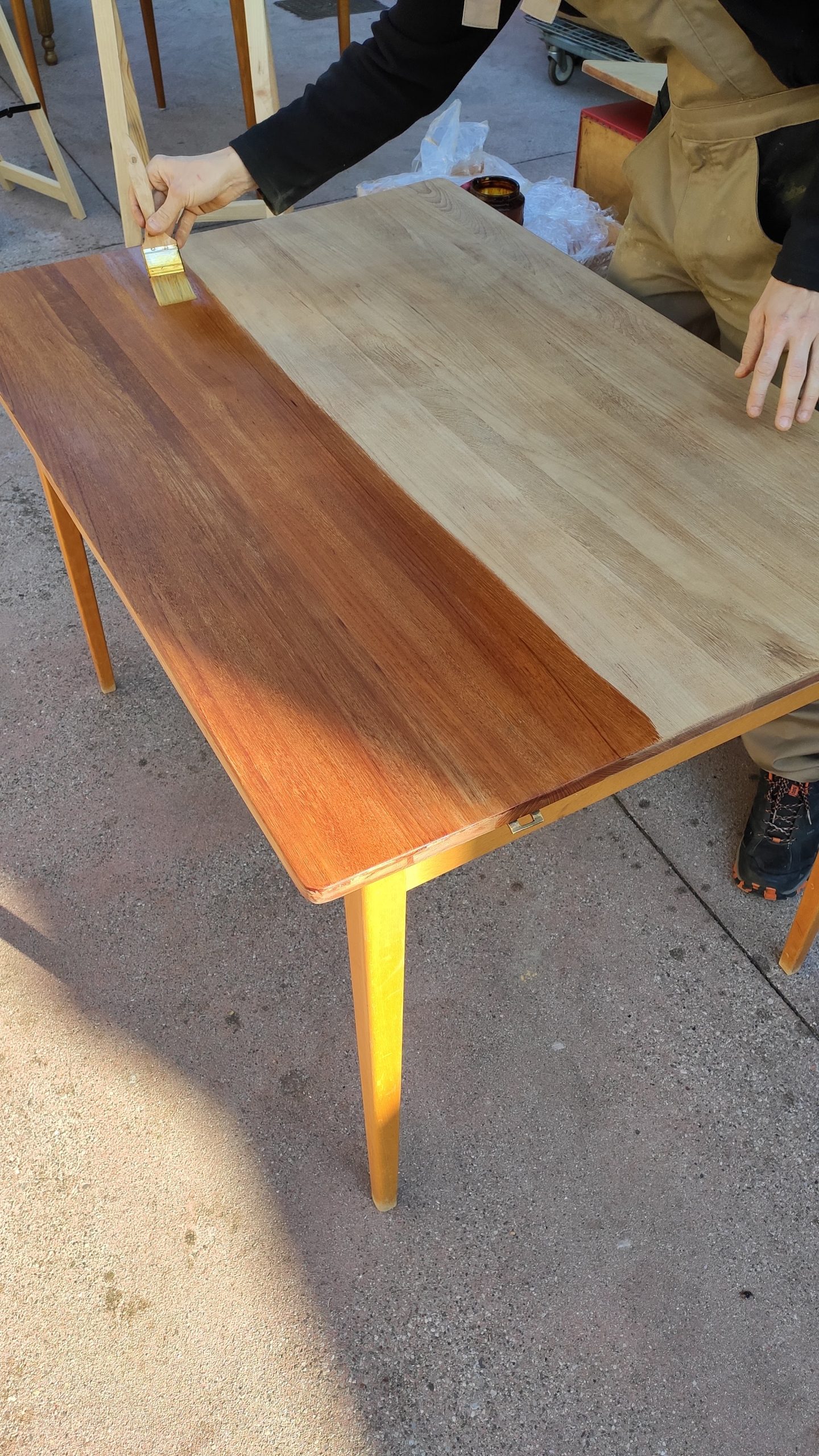
We like to use natural waxes and oils that not only add luster to the furniture, but also provide essential protection. Each piece is masterfully treated so that it maintains its luster over time and remains true to its past.
At CASAFIKA we use mainly two types of finish:
- shellac;
- Danish oil.
To choose which finish to use, we must first analyze the furniture. If, in the past, the furniture was finished with shellac, we choose this finish, If, on the other hand, we deduce that the furniture, in the past, was finished with Danish oil, we use the latter.
This extra attention allows us to respect the history of the furniture.
3) Danish oil: what it is and what it is used for.
Danish oil lends itself very well to the care of the most valuable wood essences such as teak, mahogany or rosewood.
It is known for its ability to penetrate the wood, nourishing and protecting it from dehydration and preventing damage from moisture or sun exposure.
It is applied to clean, dry wood, spreading it over the surface with a cloth.
The treatment can be repeated over time so that the furniture is always kept in top shape.
Once a piece of furniture has been finished with Danish oil it is not necessary to protect it with beeswax.
4) The art of shellac application.
The handcrafted shellac is our secret to a flawless surface. We prepare it combining the flakes with the alcohol so that the desired product concentration is achieved.
Shellac enhances the grain and characteristics of the wood. Depending on the application method, the surface will be more or less shiny.
Applied with precision, this solution not only improves the appearance of the furniture, but also it also preserves it from future damage.
When we choose shellac as a finish, we always add another step: protection with beeswax.
5) Beeswax: the perfect choice for patina
Beeswax offers a natural shine, nourishment and lasting protection.
We use only beeswax and carnauba wax. After application, the result is always a radiant and protected piece of furniture.
Additional interventions, such as plastering and minor carpentry work, may be necessary depending on the needs of the furniture.
Beyond restoration: details that make a difference
In the world of furniture restoration, every detail counts.
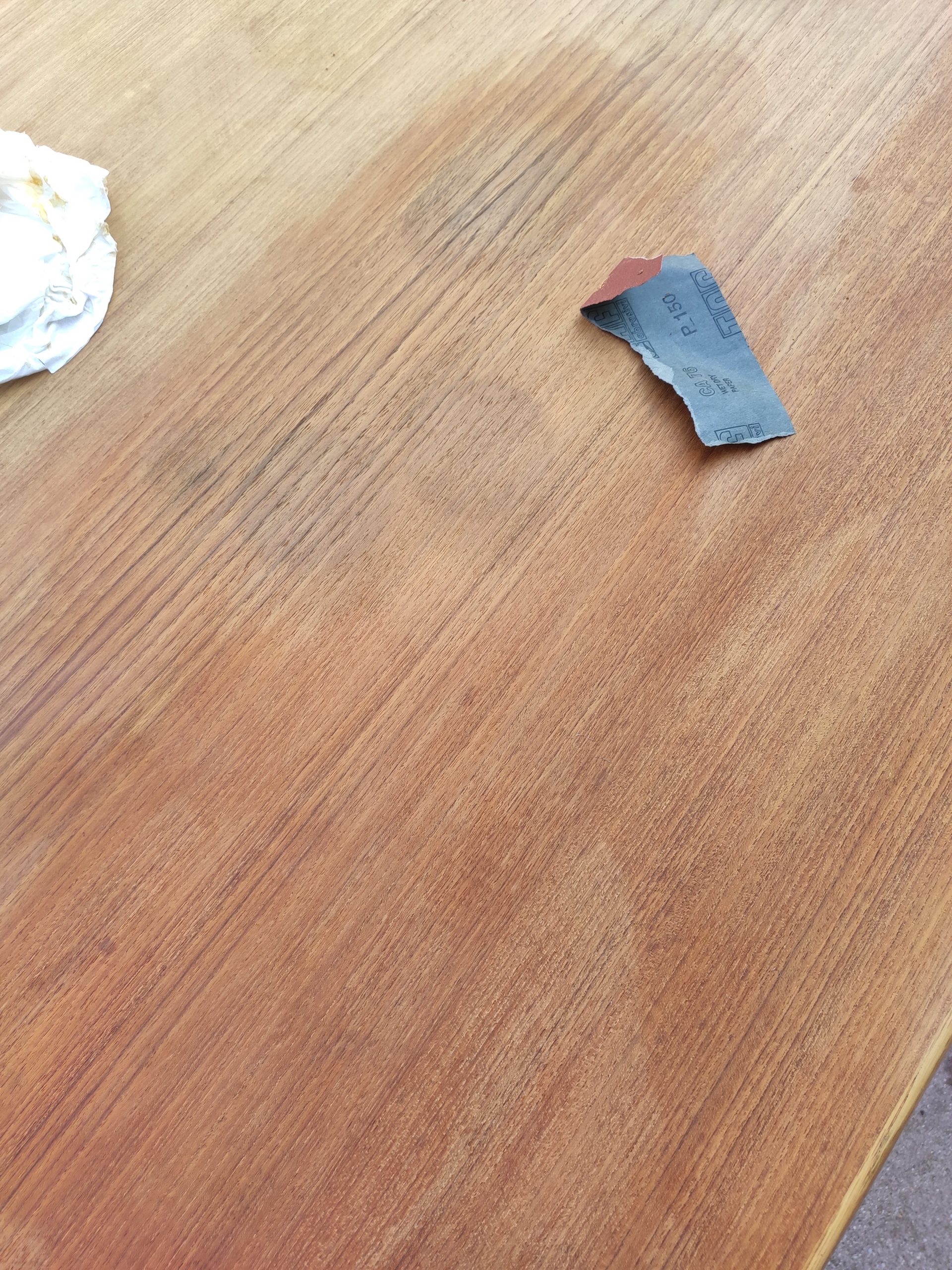
In addition to the cleaning and polishing steps, we venture into even more fascinating territories. Plastering and small woodwork are our secret allies in restoring surface damage. Through skillful interventions, we restore the deepest scratches e we restore every nook and cranny.
Behind the scenes of the restoration: exclusive images
Accompany us on a journey behind the scenes of our restoration sessions..
The images below capture the essence of our work: passion, care and dedication.
Each photo tells a story of skilled hands working with care and attention to bring each unique piece back to life. It is a visual experience that allows you to immerse yourself in the heart of our restoration process.
Each restored piece tells a story and conveys a sense of timeless authenticity and beauty.
Learn more about our restoration process and explore our collection of unique furniture in our online store.