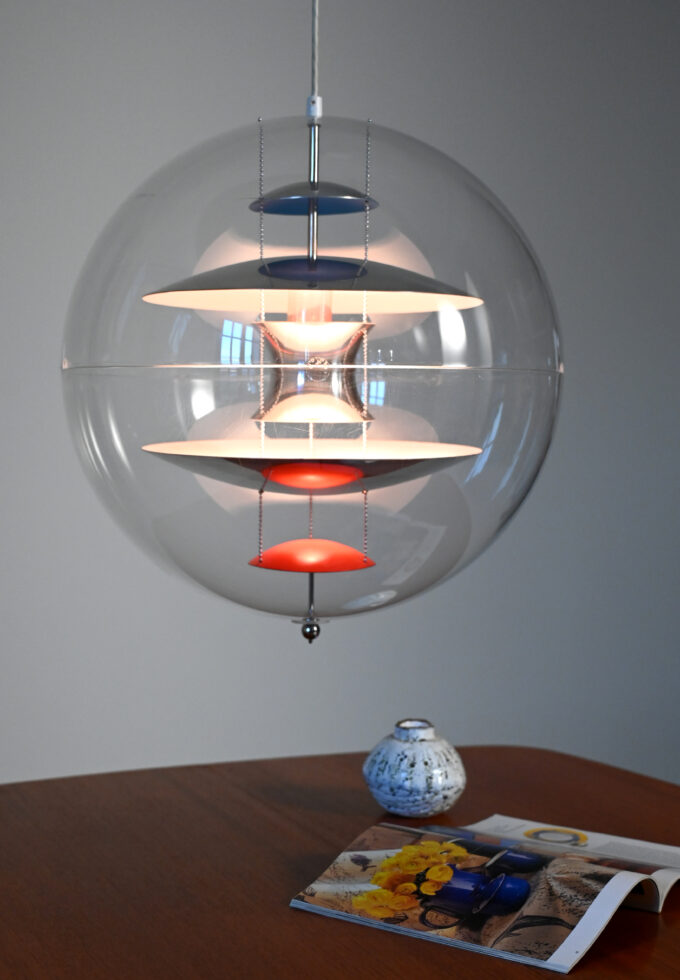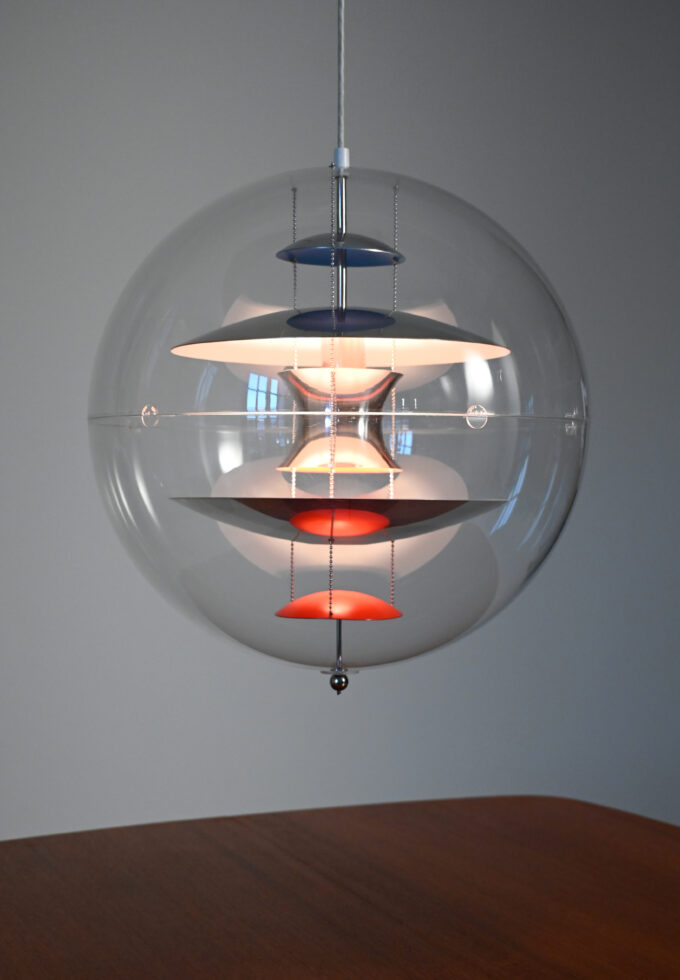
The Design that Illuminated Modern Aesthetics.
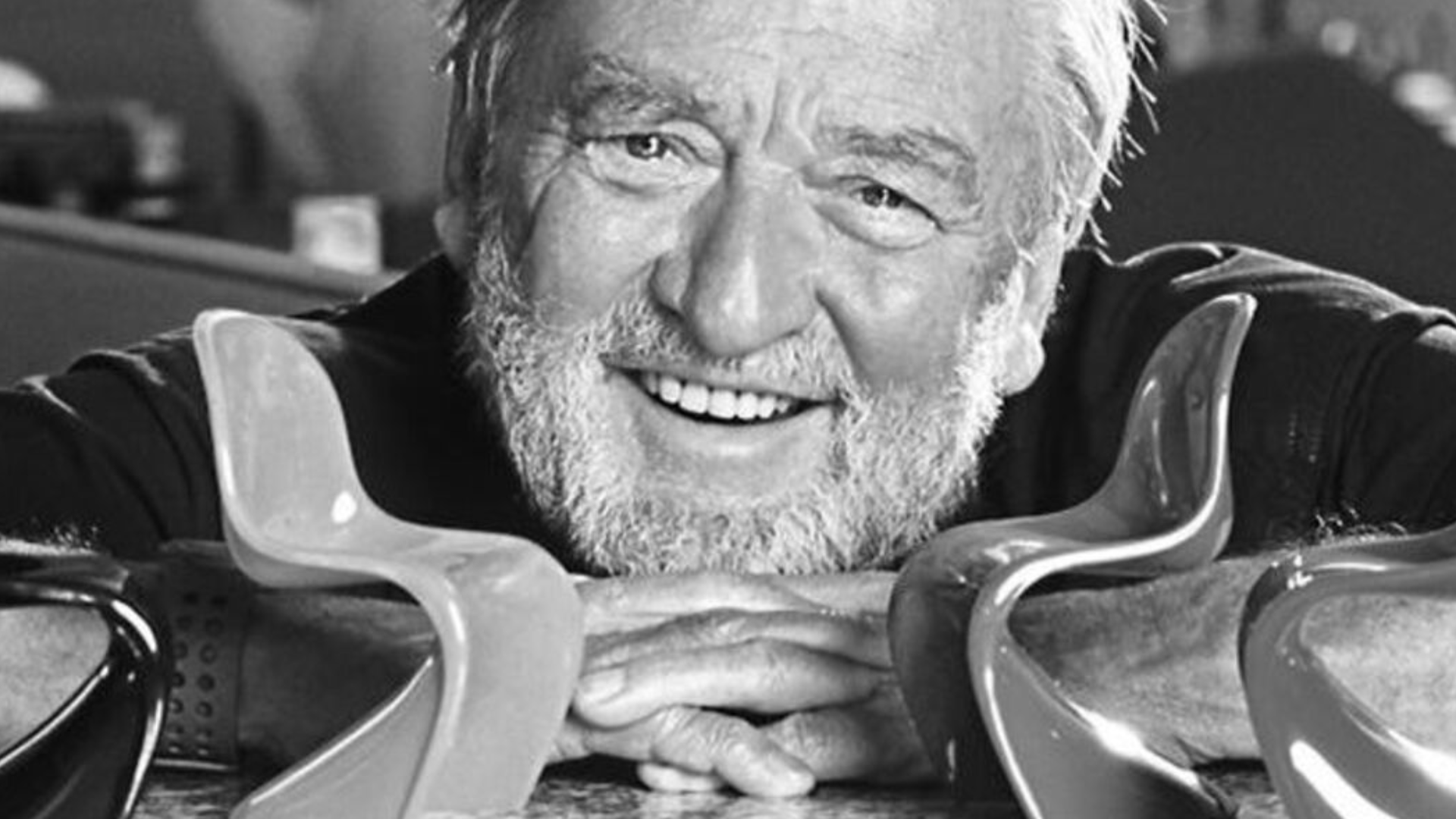
Verner Panton, born in 1926 in Denmark, was a visionary designer who embarked on a educational path at the Royal Danish Academy of Fine Arts in Copenhagen. His academic training has represented the stepping stone launch for his extraordinary career in the world of design.
His signature in design you have featured for the ability to explore, through a experimental approach and bold, the intersections between organic forms, bright colors and theinnovative use of materials. His artistic vision, particularly explicit in the 1960s and 1970s, it revolutionized the design landscape, contributing to redefine the very concept of interior design, furniture e lighting.
L’eclecticism of its designs has become synonymous with avant-garde and innovation in the industry. Panton has established himself as one of the precursors of modern design, anticipating trends and significantly influencing the subsequent generations Of designers. His heritage is characterized by a unique style and distinctive style that continues to inspire and shape the landscape of contemporary design, recognized and celebrated on a globally.
Iconic Innovations
Panton is famous for his iconic creations, including the famous “Panton Chair”, a one-piece chair made of plastic, characterized by flowing lines and a wrap-around shape. This piece not only has revolutionized the concept of seating but it also solidified Panton’s reputation as pioneer of modern design.
Osmotic Chromatism
One of the distinguishing characteristics of the works of Panton is thebold use of color. His search of an osmotic chromaticism has led to settings e objects that exude vitality e energy. La “Panthella” lamp, with its hemispherical diffuser that reflects and diffuses the light, is an example extraordinary example of how the color can become an integral part of design.
Space Settings
The vision of Panton has extended beyond individual objects, embracing the idea of complete spatial settings. He designed interiors that challenge conventions, creating immersive worlds in which each element contributes to a unique visual narrative.
For Panton, the furniture were not mere functional pieces but real artistic masterpieces. His attention to detail, the sinuous form of his creations and thetheatrical approach to design have transformed furniture into works of art that define the spaces they occupy.
Flower Pot Lamp by Verner Panton
La lamp “Flower Pot” by Verner Panton, created in 1969, is an icone of design since the ’60’ e ’70’. His name derives from the form reminiscent of an upside-down flower vase, with two overlapping half spheres. Thanks to the bold colors and distinctive design, the FlowerPot offers soft lighting e diffused, adapting to a variety of environments. The lamp continues to be appreciated as a collector’s piece and a symbol of innovation in lighting design. Its lively presence and eye-catching shape make it a’work of art functional and inspirational in the world of design.
Internationalization of Success
The success of Panton has crossed national borders, spreading to international level. His works have left aindelible imprint in homes, public spaces and museums around the world, influencing generations of enthusiasts of design.
Also after his death in 1998, thelegacy of Verner Panton lives on through his creations, which continue to inspire designers and design lovers. Its works are an integral part of the cultural heritage of modern design.
In conclusion, the story of Verner Panton teaches that design knows no boundaries and can transform our perception of the world around us. The bold vision of Panton continues to be a luminous guide in the path of‘innovation and the intrinsic beauty in design.