
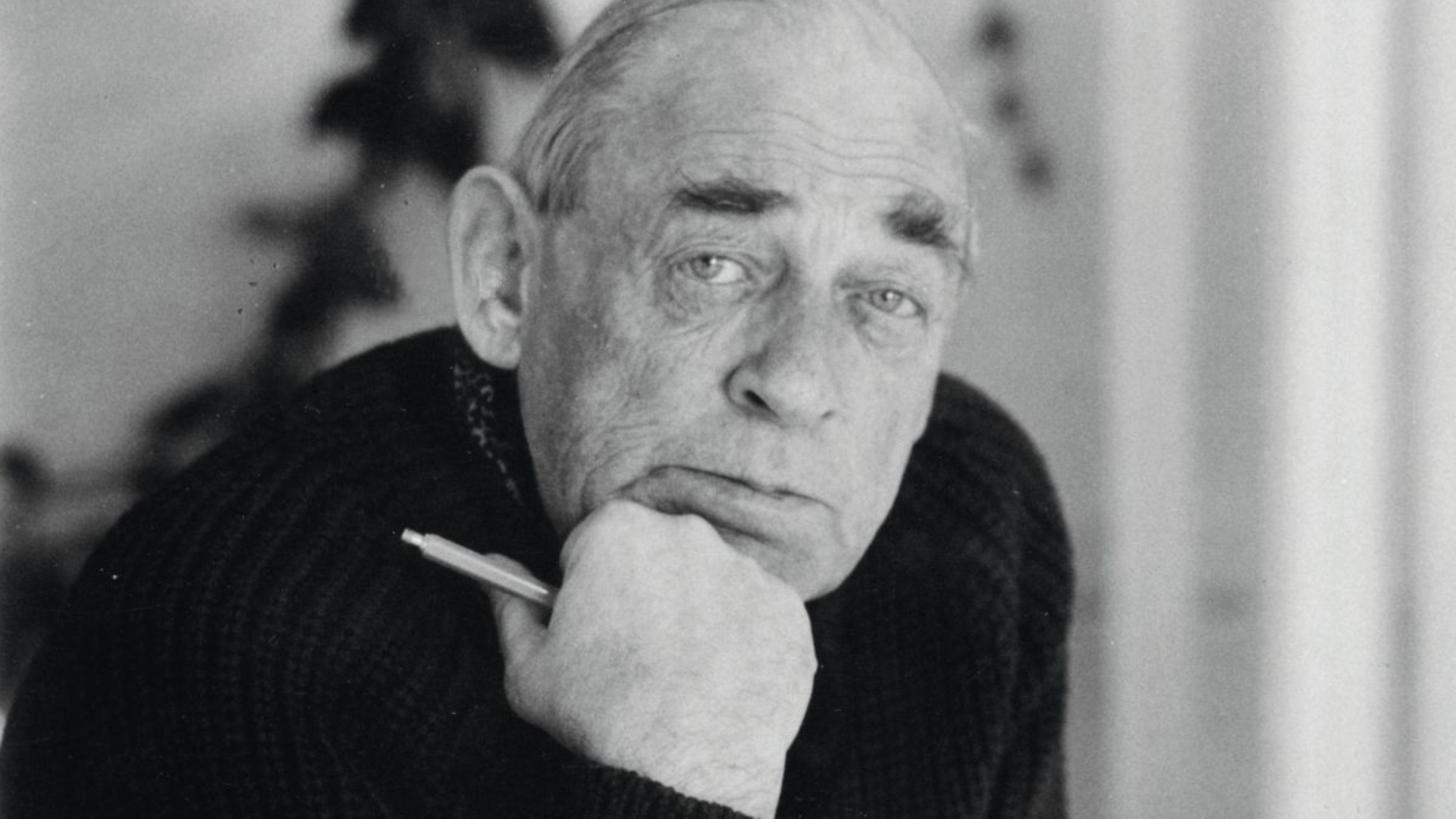
Architect of the Soul, Forger of Lasting Legacies
Alvar Aalto, born in 1898 in Finland, was a celebrated architect e designer of the 20th century. His career has been defined by an approach innovative to architecture and design, focusing on theharmony between form, function and environment. His genius lay in his ability to create spaces that not only were aesthetically appealing, but also functional e integrated in the surrounding environment.
In addition to his artistic achievements, Aalto was known for his visionary humanistic of design, believing that thearchitecture should serve the well-being of people. He advocated an approach that considered theinteraction between individuals and the spaces architecture as a crucial in the design.
His legacy goes beyond the physical works he created, influencing subsequent generations of architects e designers with his philosophy of innovative. His vision holistic and its quest for harmony between theman and the‘environment continue to be a source of inspiration in the world ofarchitecture and design contemporaries. Aalto left an indelible imprint not only in the field creative, but also in the way we understand and conceive of the spaces in which we live e we work.
Harmony between Aesthetics and Functionality
Aalto’s works are not simply aesthetically pleasing; they are expressions of harmony between aesthetics e functionality. La Paimio chair and the sanatorium by Paimio are eloquent examples of how beauty can emerge from functionality well-designed. His meticulous approach to design indicates that, for reach excellence, aesthetics and function must dance together in perfect synchrony.
Sustainability As A Guide
Aalto, decades before sustainability became a global imperative, adopted the sustainability as a beacon guide. L’use careful use of materials and the consideration for the environment in which his his buildings highlight an environmental awareness very ahead than its time. His example invites the current generations to consider sustainability not just as a trend, but as an inherent responsibility.
Resilience and Adaptation
Aalto’s life was shaped by moments of challenge, but his resilience and his ability of adapt are what made him distinguished. The war and the various stages of his career are evidence of his determination to not only survive the adversity, but to flourish in them. I modern leaders can draw inspiration from this indomitable spirit, learning that the flexibility and mental strength are fundamental for success in the long term.
Aalto’s legacy is a cultural heritage that extends beyond his death. His influence is alive in the hearts of those who find inspiration in his works. His legacy invites designers, architects and entrepreneurs to not only create, but to do so with afocus on enduring significance. His legacy is a call to pursue greatness and to leave the world better than we found it.
The Paimio Armchair
La Paimio armchair by Alvar Aalto is an icon of modern design. Designed in the 1930s for the Sanatorium of Paimio, is distinguished by its innovative curvature of the wood and theadvanced ergonomics. Its design unites harmoniously functionality e aesthetics, with seemingly a simple structure that offers a comfort extraordinary. La combination of bent wood e fabric creates a look elegant. The legacy of the Paimio chair persists as an example of lasting innovation in the world of design.
Alvar Aalto is not only an architect, but a master who intertwined his spirit into the soul of his work. Anyone seeking to create a lasting impact should embrace the vision, cultivate the‘harmony between aesthetics e functionality, adopt the sustainability as a core principle, meet challenges with resilience, and aspire to build a legacy that will extends far beyond the present. His story there teaches that any work of art, if imbued with depth and meaning, can transform the present e shape the future.